

Key Takeaways
Usage-Based Auto Insurance
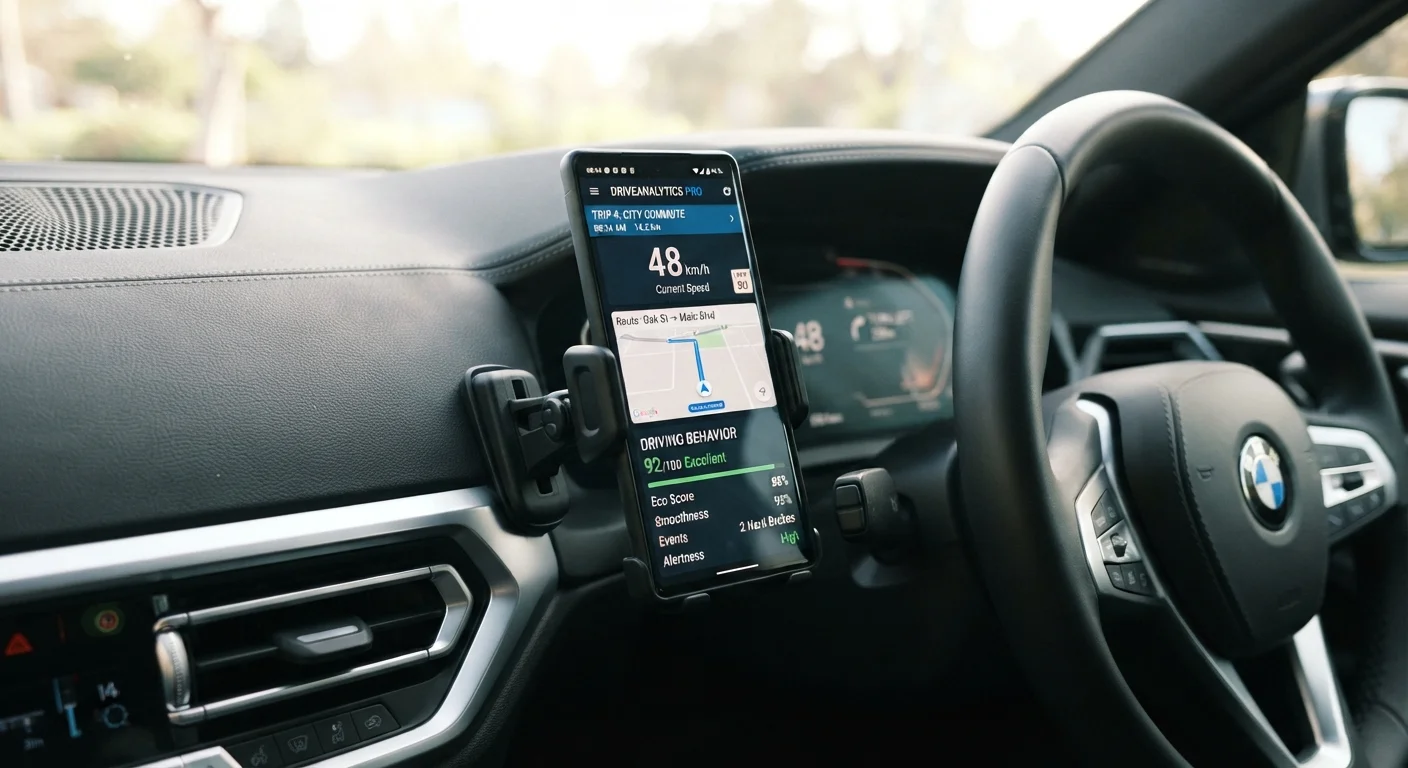
Usage-based insurance (UBI) is a type of auto insurance pricing model where your premium is partly determined by how you actually drive, rather than relying solely on demographic factors and driving history. Insurers collect data through a mobile app or a small device plugged into your car to measure behaviors like speed, braking, and miles driven. Pay-per-mile is a related but narrower variant that bases cost primarily on the number of miles you drive.
Telematics refers to the technology infrastructure - combining telecommunications and vehicle diagnostics - that enables real-time data collection and transmission from a moving vehicle to an insurer's systems.
How Telematics Data Collection Works
When you enroll in a usage-based insurance program, your insurer provides a way to monitor your driving. Two primary collection methods exist:
- OBD-II plug-in devices: A small dongle plugs directly into the vehicle's onboard diagnostics port, reading vehicle sensor data and transmitting it to the insurer.
- Smartphone apps: An app uses the phone's GPS, accelerometer, and gyroscope to infer driving behavior without any physical hardware.
Both approaches collect similar behavioral signals, but smartphone apps may also capture GPS route data more readily. Once data is collected, it's transmitted to the insurer's platform where algorithms score each trip or aggregate behavior over time.
If you want to understand how this pricing layer fits within a broader policy structure, the complete first-timer's guide to car insurance covers the fundamentals of how auto insurance policies are built.
OBD-II Compatibility
OBD-II ports are standard on nearly all vehicles sold in the United States after January 1, 1996, as required by federal emissions regulations. If you drive an older or specialty vehicle, verify OBD-II compatibility before requesting a plug-in telematics device from your insurer.
What Behaviors Are Measured
Telematics programs don't track just one thing - they aggregate multiple signals that insurers correlate with crash risk. Common metrics include:
- Miles driven: Total distance logged, which is the primary factor in pay-per-mile programs.
- Hard braking: Sudden, sharp deceleration events, often flagged as a risk indicator.
- Rapid acceleration: Aggressive starts from stops or during highway merges.
- Speeding: Frequency and degree of driving above posted speed limits.
- Time of day: Nighttime driving, particularly late-night hours, is associated with higher accident rates statistically.
- Phone use while driving: Some smartphone-based apps can detect distracted driving patterns.
Scores are usually calculated per trip and averaged over the monitoring period. Understanding how these behaviors intersect with premium calculation is useful context - why your car insurance premium is what it is explains the broader rating factors insurers use.
~13,500
Average annual miles driven per US driver
According to the Federal Highway Administration's most recent vehicle miles traveled data, the US average is approximately 13,500 miles per driver per year.
20-30%
Typical discount range advertised by UBI programs
Many insurers publicly advertise potential discounts in this range for safe drivers completing their telematics monitoring period, though actual savings vary by program and individual score.
1 in 5
US drivers enrolled in a telematics program
Industry analysts have estimated that telematics program participation has grown substantially, with roughly one in five insured US drivers enrolled in some form of UBI offering as of recent years.
Pay-Per-Mile Insurance: A Closer Look
Pay-per-mile is a specific UBI structure where your total monthly premium has two components: a fixed base rate (covering parked-car risks like theft or weather damage) and a variable per-mile charge applied to every mile driven. This model differs from general telematics programs in that behavior scores may play a smaller role - mileage is the dominant variable.
For a driver who commutes rarely, works from home, or uses a second vehicle infrequently, pay-per-mile can result in a lower overall premium compared to a standard flat-rate policy. Drivers who regularly exceed average annual mileage (roughly 13,500 miles in the US, per federal transportation data) are generally less likely to benefit from this structure.
It's worth reviewing what the numbers actually mean when comparing quotes to make a fair side-by-side evaluation between pay-per-mile and conventional policies.
Privacy Considerations and Trade-Offs
Participating in a telematics program involves a meaningful exchange: potential premium savings in return for sharing behavioral and, in many cases, location data with your insurer. Key questions to evaluate before enrolling include:
- What specific data points are collected and for how long are they retained?
- Is location/GPS data included, or only vehicle sensor data?
- Can collected data be shared with third parties, and under what conditions?
- Can the program raise your premium based on driving scores, or only lower it?
These terms are detailed in the insurer's program agreement and privacy policy. Telematics data is generally distinct from your standard driving record, though some states may have regulations affecting how insurers can use behavioral data in pricing. Verify the program rules with your specific insurer.
For readers new to insurance terminology, auto insurance terms every driver should understand provides a plain-language glossary that can help when reading program disclosures.
Before You Enroll: Questions to Ask
Request the full program agreement and privacy policy from your insurer before signing up. Specifically confirm whether poor driving scores can raise your rate, what data is shared with third parties, and whether you can withdraw mid-term. Taking 15 minutes to review these terms prevents surprises at renewal.
This article provides general educational information about usage-based and pay-per-mile auto insurance. It is not personalized insurance, financial, or legal advice. Coverage terms, data practices, discount structures, and eligibility vary by insurer and state. Consult a licensed insurance agent or your insurer directly before making coverage decisions.