

Key Takeaways
Why Safety Myths Are Especially Costly Abroad
Misinformation about travel safety isn't just frustrating - it shapes decisions that have real consequences. Travelers who rely on assumptions rather than accurate information tend to under-prepare in areas where preparation matters most, and over-rely on safety nets that are far narrower than advertised.
The myths covered here are widespread precisely because they feel intuitive. A tourist area sounds safer. A policy called "comprehensive" sounds complete. An embassy sounds like a powerful backstop. Each of these assumptions contains enough partial truth to persist - but enough inaccuracy to leave travelers genuinely exposed.
For a thorough foundation before any international trip, the complete overview of travel safety essentials covers health, security, documentation, and emergency preparedness in one place.
Myth
Tourist areas are the safest places to spend time abroad.
Fact
High-traffic tourist zones are frequently targeted by pickpockets, scammers, and opportunistic thieves precisely because travelers are distracted and often carrying valuables.
Concentration of tourists signals opportunity to those who exploit them. Markets, plazas, transportation hubs, and landmark queues are among the most commonly cited locations for petty theft in global crime reports. Staying alert and securing your belongings matters more than staying in a "tourist zone." Local neighborhoods aren't automatically more dangerous - in many destinations they can be calmer and less predatory.
Myth
Travel insurance covers everything that could go wrong on a trip.
Fact
Travel insurance policies contain meaningful exclusions. Coverage depends entirely on the specific policy purchased, and many common scenarios - including pre-existing conditions and risky activities - are routinely excluded.
"Comprehensive" travel insurance is a marketing category, not a legal guarantee of universal protection. Medical evacuation, trip cancellation, and baggage loss are common features, but the conditions under which they apply vary significantly. Reading the declarations page and exclusions section before departure is critical. For a detailed breakdown of what standalone insurance and credit card travel protections actually cover, see how the two types of coverage compare.
Myth
If a country has a U.S. travel advisory, you shouldn't go at all.
Fact
The U.S. Department of State uses a four-level advisory system. Most countries sit at Level 1 (exercise normal precautions) or Level 2 (exercise increased caution) - not blanket warnings against travel.
Level 3 (reconsider travel) and Level 4 (do not travel) advisories exist but apply to a minority of destinations, and often only to specific regions within a country rather than the entire nation. Understanding which level applies - and why - gives travelers a far more accurate picture than assuming any advisory means total danger. The State Department's travel.state.gov site publishes current advisories and explains what each level means in practice.
Myth
The U.S. Embassy can bail you out of almost any serious problem abroad.
Fact
U.S. embassies and consulates provide limited consular services. They cannot pay your medical bills, secure your release from jail, or intervene in foreign legal proceedings on your behalf.
What embassies can do: replace a lost or stolen passport, provide a list of local attorneys, notify your family of an emergency, and assist with emergency loan paperwork in dire circumstances. What they cannot do is override foreign law or act as a personal rescue service. Understanding these limits before you travel is part of responsible trip planning - don't treat the embassy as a safety net for situations that preparation could prevent.
Myth
Blending in completely protects you from being targeted.
Fact
Behavioral awareness and situational habits matter far more than appearance. Experienced opportunistic criminals often identify targets by behavior - distraction, hesitation, visible unfamiliarity - not clothing alone.
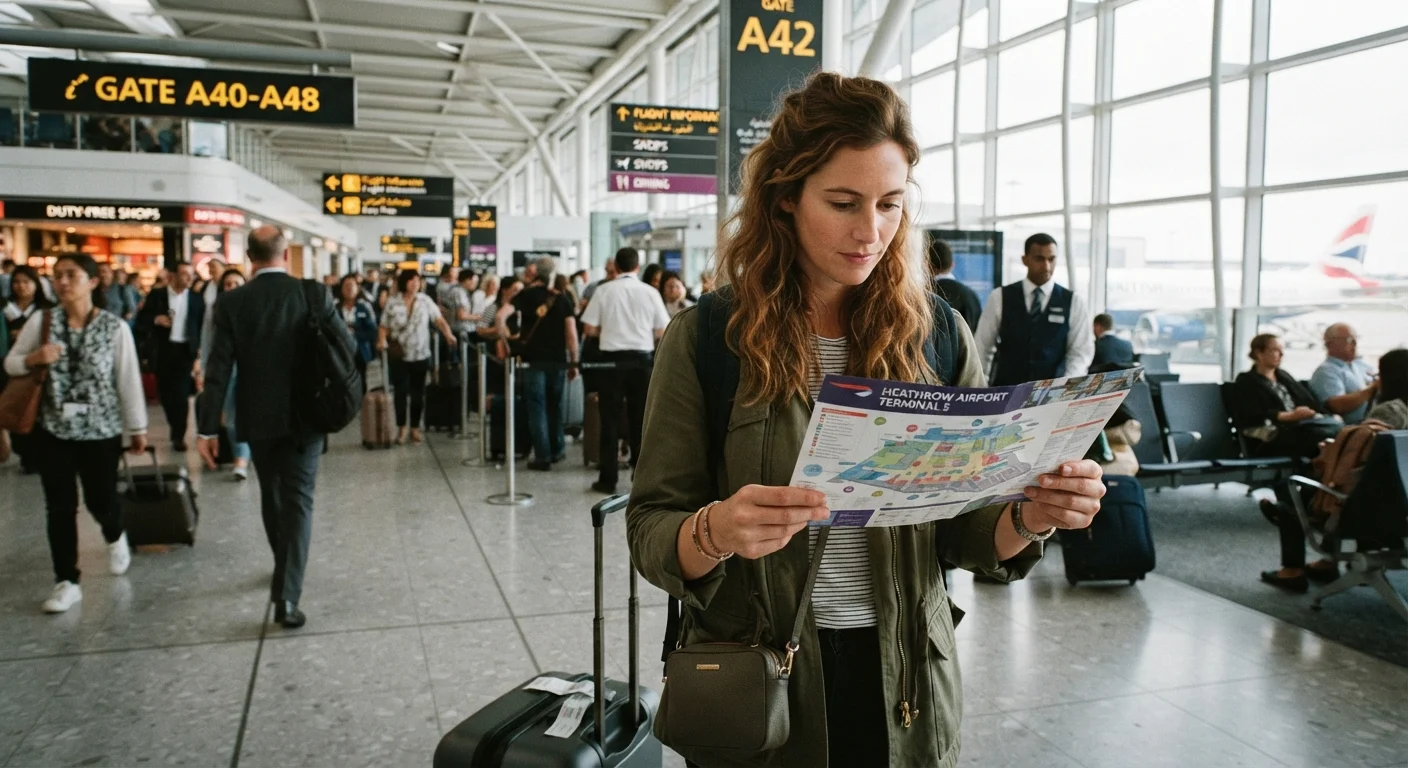
Dressing like locals can reduce some visibility, but it's not a reliable defense. How you handle your phone, whether you study a paper map on a busy corner, how you react when approached unexpectedly - these behavioral signals are more telling. The practical habits experienced solo travelers use to stay aware are applicable to all travelers, regardless of whether they're traveling alone.
Myth
Public Wi-Fi abroad is fine as long as you use a password-protected network.
Fact
Password protection on a public network does not prevent other users on the same network from intercepting your traffic or running man-in-the-middle attacks.
Hotel, café, and airport Wi-Fi networks - even those requiring a password - are shared environments where data interception is technically feasible. Logging into banking apps, email, or accounts containing sensitive personal data over public networks carries real risk. For a thorough overview of the digital vulnerabilities travelers face and how to reduce exposure, see staying safe online while traveling.
Putting the Facts Into Practice
Correcting these myths points toward a consistent set of practical habits: read your insurance policy before departure, check current State Department advisories and understand what level applies, stay behaviorally aware rather than relying on appearance, and treat public Wi-Fi as an untrusted network.
Don't Assume Your Insurance Has You Covered
Travel insurance policies vary enormously in what they cover. Common exclusions include pre-existing medical conditions, adventure sports, civil unrest, and pandemics. Review your specific policy documents carefully - and consider consulting a licensed insurance professional if your itinerary involves higher-risk activities or destinations.
Ground transportation deserves attention too - taxis, rideshares, and rental cars each carry distinct risk profiles that many travelers haven't thought through. The guide to transportation safety in unfamiliar places breaks down what to verify before you ride.
Travelers who go abroad with accurate expectations - rather than comforting but inaccurate ones - are better positioned to handle the unexpected without panic. That readiness starts with honest information.
Verify Safety Information With Official Sources
Travel conditions, visa rules, and entry requirements change frequently. Always consult the U.S. Department of State's travel advisory portal and the destination country's official immigration authority before departing. No article, app, or travel forum is a substitute for current official guidance.
This article is for general informational purposes only. Travel conditions, advisories, legal requirements, and insurance terms change frequently. Always verify current information with official government sources and consult qualified professionals before making decisions about travel safety, insurance coverage, or legal matters abroad.