

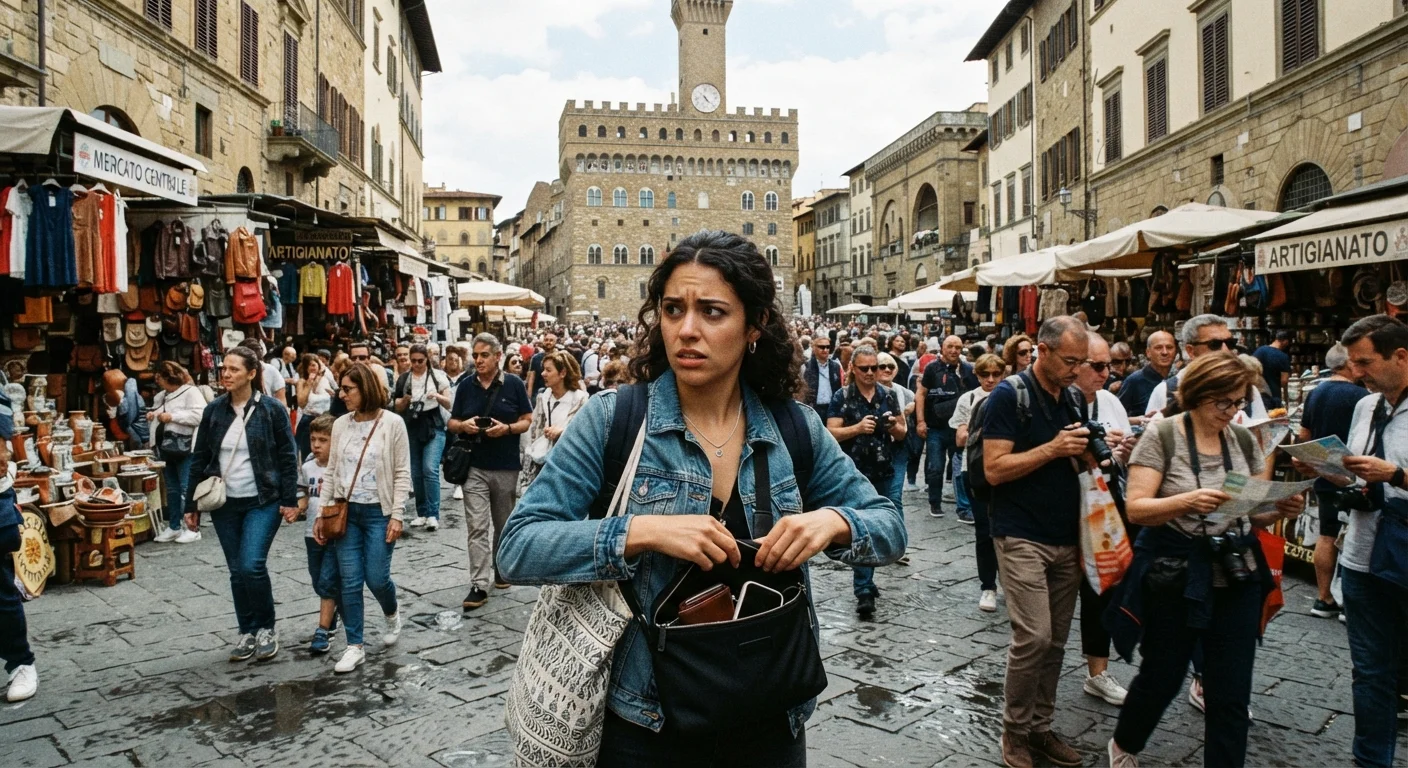
Key Takeaways
Why Petty Crime Gets Dismissed - Until It Happens
Most travelers spend considerable time researching violent crime rates before a trip and almost no time thinking about pickpocketing. That imbalance is a vulnerability. Petty crime - defined broadly as theft without direct confrontation, including pickpocketing, bag snatching, and distraction scams - accounts for a disproportionate share of the incidents reported to US embassies and consulates abroad each year. Yet many travelers treat it as a minor nuisance or something that only happens to the inattentive.
That dismissal has real costs. A stolen wallet mid-trip doesn't just mean lost cash. It can mean cancelled cards with no immediate replacement, lost identification that delays travel, and hours spent at police stations filing reports instead of on the itinerary. For some travelers, it means an emergency wire transfer or a call to their bank from a foreign time zone. The actual financial toll routinely exceeds the face value of what was taken.
Understanding why petty crime succeeds - and where travelers make it easier - is the first step toward protecting yourself without becoming paranoid. See our trip planning myths guide for other underestimated risks that affect the average traveler.
Keeping all cards, cash, and ID in a single wallet or bag.
Why it happens: It's convenient and mirrors how most people manage their finances at home, where risk of loss is lower.
Relaxing security habits in destinations that feel safe or familiar.
Why it happens: Travelers associate petty crime with stereotypically "risky" places. Tourist-heavy areas in Western Europe, for instance, have some of the highest pickpocketing rates globally precisely because visitors let their guard down.
Engaging with unsolicited approaches or "friendly" strangers who initiate contact in tourist zones.
Why it happens: Travelers don't want to appear rude, and distraction scams are deliberately designed to feel like a genuine interaction - a dropped item, a petition, a friendly offer to take your photo.
Using a phone or camera conspicuously in crowded or transitional spaces.
Why it happens: Travelers naturally want to document their experience in the moment, often in exactly the high-traffic locations where grab-and-run theft is most common.
Carrying an overstuffed or unsecured bag where items are easily accessible from outside.
Why it happens: Packing habits at home prioritize quick access. The same tote or backpack used for grocery runs doesn't offer meaningful theft resistance in a crowded metro car.
Failing to set up card alerts or notify your bank before departure.
Why it happens: Many travelers treat card management as an afterthought, or assume their bank will handle fraud automatically without preparation.
The Real Cost and How to Recalibrate Your Awareness
Beyond immediate losses, petty theft creates downstream financial damage that travelers rarely factor in. Replacing a passport abroad involves embassy fees, expedited processing costs, and potential rebooking expenses if travel is delayed. A compromised debit card can freeze access to travel funds entirely. These cascading effects are why financial disruption from petty crime often runs two to three times the value of what was physically stolen.
Top 3
Crime category reported to US embassies abroad
Theft and pickpocketing consistently appear among the most common incidents reported by US citizens to embassies and consulates, according to State Department traveler assistance data.
2-3×
Typical multiplier of actual vs. face-value theft loss
When replacement costs, card cancellation, document fees, and trip disruption are included, travelers commonly report losses significantly exceeding the immediate cash or item value stolen.
Situational awareness doesn't require suspicion of everyone around you. It means maintaining a baseline sense of your environment - knowing where your valuables are, noticing when someone enters your personal space unexpectedly, and choosing seat or standing positions that limit exposure in crowded transit. Behavioral adjustments are more reliable than any single product. For guidance on protecting your financial access while abroad, the Travel Money hub covers card strategies and backup access planning. And if you're concerned about digital theft alongside physical, staying safe online while traveling addresses device and account risks that often accompany a stolen phone or bag.
This article is for general informational purposes only. Travelers should consult official government travel advisories and local law enforcement guidance for destination-specific safety conditions.