

Key Takeaways
Why Logical Planning Moves Go Wrong
Travel planning is full of judgment calls that feel prudent in the moment - saving on a connecting flight, skipping an insurance add-on, or leaving accommodations loose for flexibility. Each of these instincts has surface logic. Most of them also have a well-documented failure mode that travelers discover the hard way.
The decisions below come up repeatedly across travel forums, consumer complaint data, and traveler accounts. They aren't edge cases. They're predictable traps that reward a second look before you book. For a broader view of widespread misconceptions about trip planning, see common planning myths that lead travelers astray.
Booking the shortest possible layover to save money
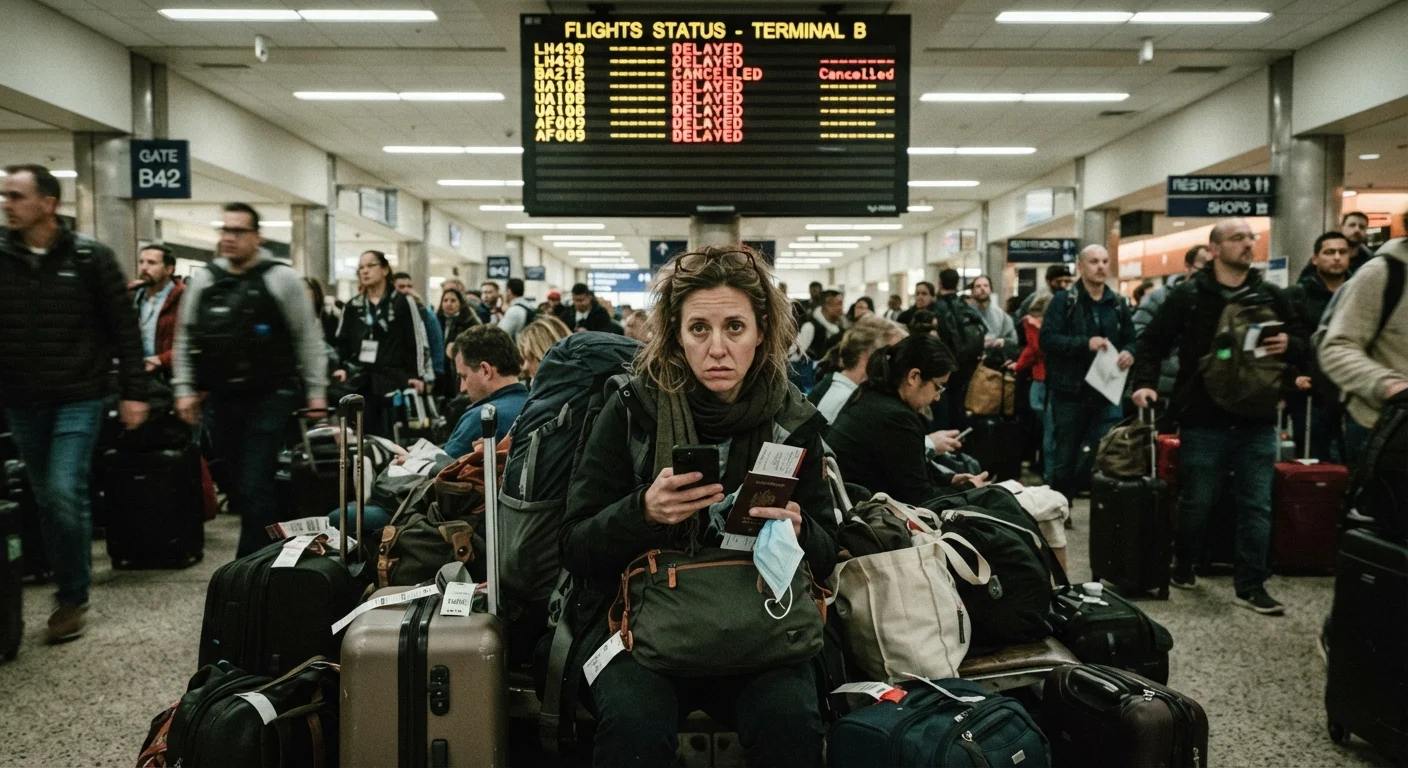
A 45-minute connection looks fine on a booking screen. At a large hub airport with a gate change, a slight arrival delay, or a long terminal walk, it becomes a missed flight. Airlines selling these itineraries as a single ticket are obligated to rebook you if their own delay causes a miss - but separately booked flights carry no such protection.
Even on a single ticket, a missed connection typically means hours or overnight delays, and ground transportation or hotel costs frequently exceed the original fare savings. The general guidance from travel consumer advocates: allow at least 60-90 minutes for domestic connections at familiar airports, and significantly more - often two hours or more - for international connections or unfamiliar large hubs.
A missed connection caused by a 45-minute layover can cost far more than the fare difference that made it appealing.
Skipping travel insurance because the trip seems low-risk
Most travelers who decline travel insurance are implicitly betting that nothing significant will go wrong. That bet pays off most of the time. When it doesn't - a medical emergency abroad, a family situation requiring an early return, a natural event that cancels a cruise - the out-of-pocket exposure can be substantial.
Travel insurance is general financial protection, not a guarantee, and terms vary significantly between policies. Travelers should read policy documents carefully, noting exclusions and claim procedures. This is especially relevant for international trips where domestic health coverage may not apply. Consulting a licensed insurance professional is advisable for complex or high-value trips. See travel safety resources for related considerations.
Travel insurance exclusions matter as much as coverage - always read the policy document before assuming you're protected.
Leaving accommodation unbooked for "flexibility"
The appeal here is real: locking nothing in feels freeing, and some travelers do find great last-minute deals. In practice, flexibility is unevenly available. During festivals, public holidays, school breaks, or high season at popular destinations, last-minute accommodation is scarce, expensive, or both. Arriving somewhere without a confirmed place to stay after a long travel day adds stress that typically outweighs the benefit.
A middle approach - booking cancellable-rate rooms for the first and last nights of a trip while leaving middle nights more open - preserves some flexibility without the worst-case exposure. Structuring a realistic itinerary covers how to plan accommodation around a day-by-day schedule without over-committing.
Last-minute accommodation works best when demand is low - which is rarely the case at places most people want to visit.
Packing every waking hour with activities
An itinerary with no slack looks efficient. It performs poorly when flights run late, a museum has an unexpected queue, or a traveler simply needs a slower morning after a long flight. The compounding effect of a packed schedule is that one delay creates a cascade - a late start means rushed sightseeing, which means a hurried dinner, which means arriving late at the next destination.
Research consistently suggests that travelers report higher trip satisfaction when they have unscheduled time built in. This isn't the same as doing less - it's building in the buffer that makes the planned activities actually enjoyable. The risks of the opposite approach are detailed in when overplanning ruins a trip.
Unscheduled time isn't wasted time - it's the buffer that keeps the rest of the itinerary from collapsing.
Assuming baggage rules are consistent across all flight legs
Travelers on itineraries that combine multiple carriers - or even different fare classes on the same carrier - frequently discover that baggage allowances differ between legs. An international flight may permit two checked bags; a regional connecting flight may allow none without an extra fee. This is especially common on codeshare flights and itineraries that mix full-service and low-cost carriers.
The fix is straightforward but requires attention: check the baggage policy for each flight segment individually, not just the booking summary. Carrier websites and the original ticket confirmation typically list this per-segment. Handling this before travel avoids gate-side surprises that are both expensive and stressful. Budget considerations tied to fees like these are covered in planning a trip around a realistic budget.
Baggage rules can vary by flight segment - always verify each leg separately, not just the summary at checkout.
Relying on a single payment method abroad
Carrying only one card or only cash is a risk that travelers routinely underestimate until a card is declined, an ATM eats a card, or a wallet is lost or stolen. The practical standard is redundancy: at least two payment methods stored separately, with one being a card that carries low or no foreign transaction fees.
Notifying your bank and card issuer before international travel reduces the chance of a freeze triggered by unusual foreign spending. For destination-specific considerations around cash and card acceptance, travel money guidance offers general context on managing spending abroad. Staying alert to opportunistic theft - particularly in crowded areas - connects to why travelers underestimate petty crime.
A single lost or frozen card can strand a traveler - redundancy in payment methods is basic travel risk management.
Making Better Calls Before You Book
Most of these missteps share a common thread: the cost of the "smart" option is visible and immediate, while the cost of the risk it creates is invisible until something goes wrong. Reframing each decision around downside exposure - not just upfront price - produces more durable plans.
Apply a simple downside check
Before finalizing any booking decision, ask: if this goes wrong, what does it actually cost me - in money, time, and stress? Short layovers, unbooked hotels, and skipped insurance all look fine in the expected case. Stress-testing for the realistic bad case reveals whether the tradeoff is genuinely worth it.
If any of these decisions involve a complex multi-destination trip or group coordination, the calculus gets harder. Group travel planning introduces additional variables that make conservative booking choices even more important. And if budget discipline is part of the equation, understanding mid-trip budget failure patterns is worth reading before you leave.