

Cars & Auto

Before You Visit a Dealership: What to Verify in Advance

Share
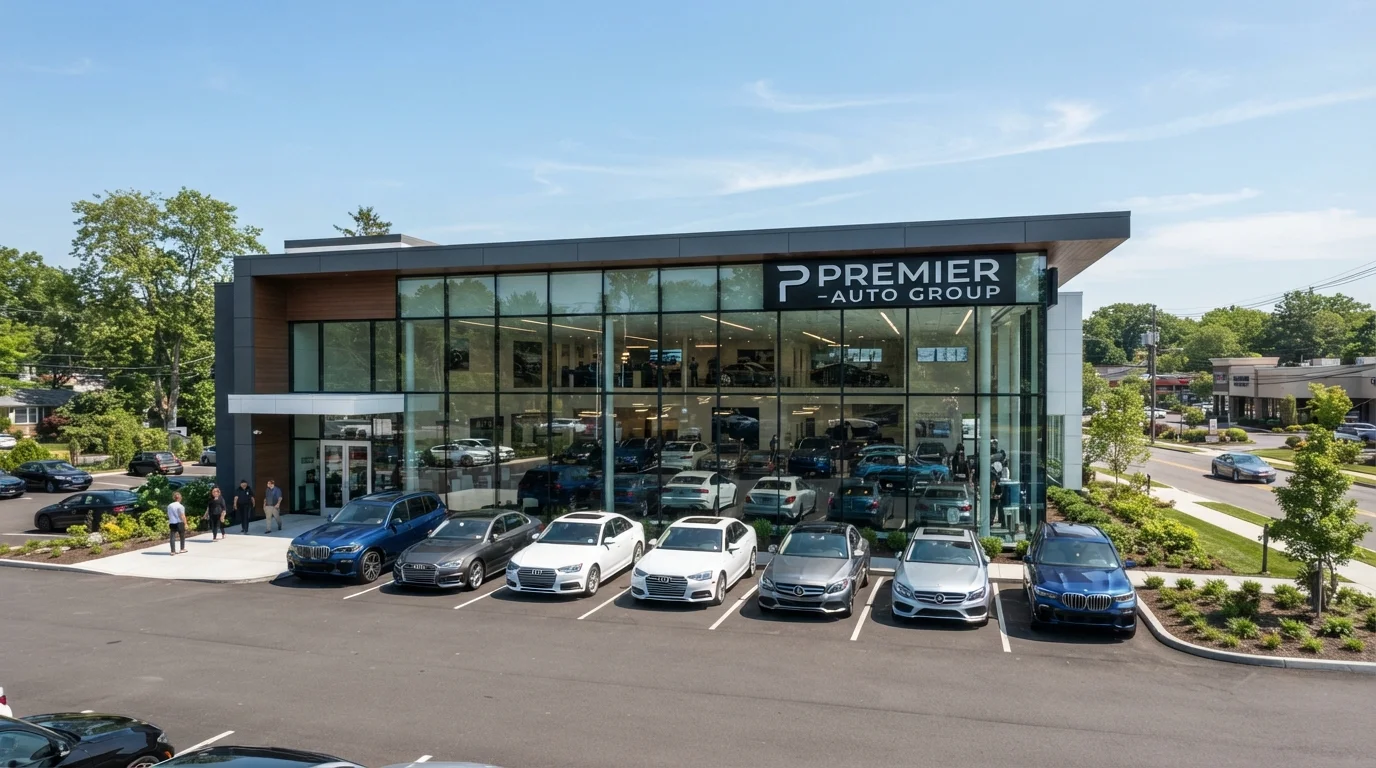
Modern car dealership exterior with glass facade and vehicles parked in the foreground

Key Takeaways

Confirm the specific vehicle is physically on the lot before making the drive.
Secure pre-approved financing before visiting so you have a rate baseline to compare.
Gather independent trade-in estimates before the dealership appraises your vehicle.
Bring all required documents — missing paperwork can delay or derail a same-day purchase.
Research the out-the-door price, not just the sticker or monthly payment figure.
45–90 min

Summary

22 items · 45–90 minutes

Why Preparation Before the Visit Changes the Outcome

Walking into a dealership without preparation shifts the information advantage firmly to the other side of the table. Salespeople and finance managers work with vehicle pricing and loan structures daily; buyers who haven't researched are more likely to make reactive decisions under time pressure. The goal of this checklist is to level that information gap before you arrive.

This is particularly important because a vehicle purchase typically involves three separate negotiations layered together: the vehicle's price, your trade-in value, and your financing terms. Dealerships often bundle these to obscure the individual outcomes of each. Doing your homework on all three — independently — gives you a clearer picture of where value is being created or eroded.

Use the tools below to build your research foundation, then work through the checklist groups in order. The comparison between dealer financing and direct lending is a useful companion read before finalizing your approach to the finance office.

Required

AnnualCreditReport.com

Pull your free official credit report to check for errors before the dealership runs a hard inquiry.

Required

NHTSA Vehicle Recall Database (nhtsa.gov)

Look up open safety recalls tied to any vehicle's VIN.

Required

Vehicle History Report Service (e.g., via VIN lookup)

Review a used vehicle's accident history, title status, and odometer records before visiting.

Required

Bank or Credit Union Pre-Approval

Establish a financing rate benchmark before comparing dealer-arranged financing offers.

Required

Third-Party Valuation Tools

Obtain independent trade-in and market value estimates to anchor your negotiation.

Optional

Manufacturer's Official Website

Confirm current incentives, trim configurations, and MSRP for the specific model you are considering.

How to Use This Checklist

Work through each group in advance — ideally in the days before your dealership appointment, not in the parking lot. The Inventory Confirmation and Documents to Bring groups can be completed quickly; financing and trade-in research typically take the most time and have the largest financial impact.

For used vehicles, the Vehicle History and Condition Checks group is especially critical. A vehicle history report can reveal title problems or undisclosed accidents, but it is not a substitute for a physical inspection. Our guide on why an independent mechanic check matters explains what a pre-purchase inspection covers and when findings are serious enough to walk away.

Before you arrive at the finance office, it also pays to understand what you may be offered there. Review what dealership add-ons and F&I products actually cover so you can evaluate each item on its merits rather than under time pressure.

Out-the-Door Price Is What Matters

Advertised prices and monthly payments rarely reflect the full cost. Always request a written out-the-door breakdown that includes taxes, registration fees, documentation fees, and any mandatory dealer charges. Comparing only sticker prices or payment figures across dealerships can lead to significantly different total costs. Never sign a contract without seeing this complete figure in writing.

Inventory Confirmation

Call or email the dealership to confirm the exact vehicle — by VIN or stock number — is currently on the lot and not pending sale. Must
Verify the trim level, color, and factory options match the listing you researched online. Must
Ask whether any dealer-installed add-ons have been applied and whether they are negotiable or mandatory. Should
Request the window sticker (Monroney label) details in writing before you arrive so you can compare them on-site. Should

Financing Preparation

Obtain a pre-approval letter from your bank or credit union so you have a concrete rate to use as a benchmark. Must
Pull your own credit report from AnnualCreditReport.com and resolve any errors before the dealership runs a hard inquiry. Must
Calculate your realistic monthly budget using total loan cost — not just payment — factoring in insurance, fuel, and maintenance. Must
Research manufacturer incentive programs (such as low-APR promotional financing) for the model you are considering, noting eligibility requirements. Should
Decide in advance your maximum acceptable out-the-door price so you have a firm ceiling during negotiation. Should

Trade-In Research

Obtain at least two independent trade-in estimates from third-party valuation tools or competing dealers before your visit. Must
Gather your vehicle's maintenance records, title, and any remaining loan payoff information to present during appraisal. Must
Note any existing damage, mechanical issues, or recent repairs that may affect your vehicle's assessed value. Should
Consider negotiating the trade-in value separately from the new vehicle price to keep both transactions transparent. Should

Documents to Bring

Bring a valid government-issued photo ID (driver's license) for any test drive and purchase paperwork. Must
Carry proof of insurance, as most states require coverage to be in place before you can drive off the lot. Must
Bring your pre-approval letter, bank account details for a down payment, and any trade-in documents. Must
If applicable, bring proof of any rebate or incentive eligibility (military, student, loyalty) to present in the finance office. Should

Vehicle History and Condition Checks

Run a vehicle history report using the VIN to identify prior accidents, title issues, odometer discrepancies, or flood damage. Must
Schedule an independent pre-purchase inspection with a qualified mechanic for any used vehicle, ideally before or shortly after your dealership visit. Must
Verify the remaining factory warranty terms or certified pre-owned (CPO) coverage details in writing. Should
Research recall history through the NHTSA database to confirm any open recalls have been addressed. Should
Review what the finance office may present as add-ons so you can make informed decisions without pressure in the moment. Nice to have

Verbal Confirmations Are Not Enough

A phone call confirming a vehicle's availability or a promised price is not binding. Vehicles can be sold between your call and your arrival, and quoted prices can change once you sit down at the desk. Get any significant commitment — such as a price hold or confirmed availability — in writing via email before making the trip.

Avoid Letting Dealerships Run Multiple Credit Checks

Each hard credit inquiry can temporarily lower your credit score. Before authorizing a credit pull, confirm you are seriously considering that dealership's offer. Multiple inquiries from auto lenders within a short shopping window (typically 14–45 days depending on the scoring model) are often treated as a single inquiry, but this protection has limits. Know your rights before authorizing access.

Cars & Auto Editorial Team is the collective byline for our editorial team and contributor network. Articles published under this byline or an editorial pen name are researched, written, and reviewed according to our editorial standards for clarity, consistency, and independence before publication.

View all articles by Cars & Auto Editorial Team →
Disclaimer: The content provided on our blog site traverses numerous categories, offering readers valuable and practical information. Readers can use the editorial team’s research and data to gain more insights into their topics of interest. However, they are requested not to treat the articles as conclusive. The website team cannot be held responsible for differences in data or inaccuracies found across other platforms. Please also note that the site might also miss out on various schemes and offers available that the readers may find more beneficial than the ones we cover.