

Key Takeaways
What a Pre-Purchase Inspection Actually Covers
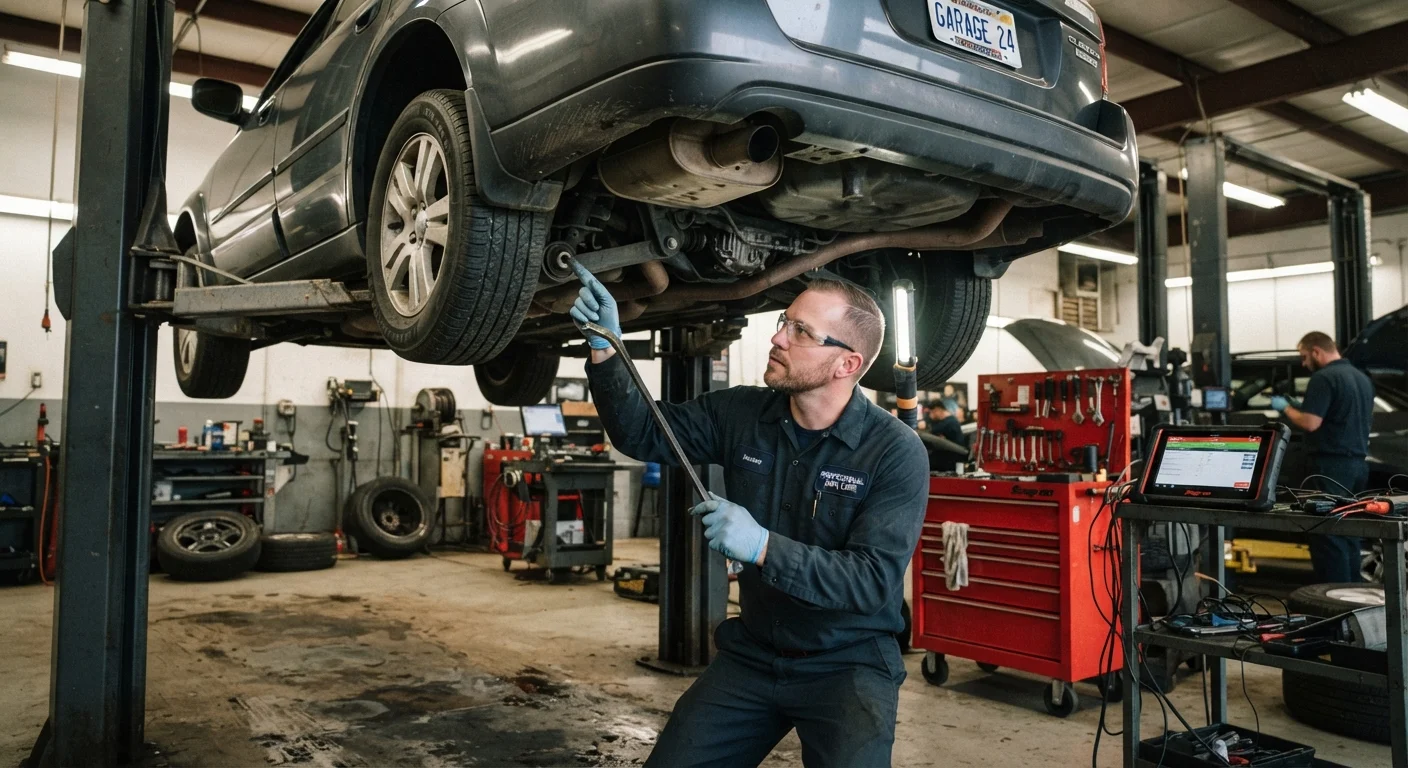
A pre-purchase inspection (PPI) is a systematic evaluation of a used vehicle conducted by a mechanic you hire - not the seller's service department. The goal is an unbiased assessment of the car's mechanical and structural condition before money changes hands.
A thorough PPI typically covers the following areas:
- Engine and transmission: Fluid condition, leaks, mounts, shift quality, and any fault codes stored in the onboard diagnostic system (OBD-II).
- Brakes and suspension: Pad and rotor wear, brake fluid condition, shock absorbers, ball joints, and tie-rod ends.
- Undercarriage and frame: Rust, corrosion, evidence of prior collision repairs, and structural integrity.
- Electrical systems: Battery health, lights, HVAC, power windows, and any warning lights.
- Tires: Tread depth, uneven wear patterns that may indicate alignment or suspension problems.
- Exterior and interior: Panel gaps, paint inconsistencies that suggest bodywork, water intrusion, and upholstery condition.
Some mechanics also conduct a road test as part of the inspection, which can surface drivability issues a static check would miss. Ask specifically whether a road test is included when you book. For context on what a typical mechanic's report looks like, see our guide to reading a mechanic's estimate.
Budget for the Inspection Fee Upfront
A pre-purchase inspection typically costs between $100 and $200 depending on the shop and vehicle complexity. Treat this as a non-negotiable line item in your vehicle budget - it is inexpensive relative to the purchase price and the potential cost of undisclosed repairs. Some shops offer a basic and a premium tier; the more comprehensive option is usually worth the additional cost for older or higher-mileage vehicles.
How to Arrange an Independent Inspection
Organizing a PPI takes a small amount of coordination, but the process is straightforward.
Research and select an independent mechanic
Look for a shop that specializes in the make you're evaluating, or at minimum has experience with that vehicle type. ASE-certified technicians (Automotive Service Excellence) have passed standardized competency tests. Avoid using a mechanic affiliated with the seller in any way.
Confirm the seller agrees to the inspection
Before booking the mechanic, get the seller's agreement in writing - a text message or email is sufficient. Clarify who will transport the vehicle to the shop if it is not being driven, and agree on a reasonable timeframe so neither party is left waiting.
Be present during the inspection if possible
Attending the inspection allows the mechanic to walk you through findings in real time, show you items on the lift, and answer questions directly. This is significantly more informative than reading a written report after the fact.
Request a written report with estimated repair costs
Ask the mechanic to provide a written summary that separates immediate safety concerns from items that can be deferred, along with approximate repair costs for each. This document becomes your negotiating tool and your record of the vehicle's condition at the time of sale.
Use the findings to decide and negotiate
Review the report against the asking price. For negotiable items, total the estimated repair costs and present that figure to the seller as the basis for a price adjustment. For serious issues, weigh whether the seller's willingness to reduce the price adequately reflects the risk you would be assuming.
A few practical notes: sellers who refuse an independent inspection - particularly private sellers - warrant caution. A motivated seller with nothing to hide will generally accommodate the request. If the vehicle is listed by a dealer, confirm that the third-party mechanic is permitted on the lot or that the vehicle can be driven or trailered to the shop.
Because even vehicles marketed as certified pre-owned can vary significantly in what their inspections actually covered, an independent check still has value. Our article on certified pre-owned programs explains what CPO inspections typically include and where gaps can exist.
Walk Away vs. Negotiate: Interpreting the Findings
Not every issue uncovered in a PPI means you should abandon the deal. The key is distinguishing between problems that affect safety or carry unpredictable long-term costs, and items that represent normal wear with a known repair price.
Issues That Are Generally Worth Walking Away Over
- Structural or frame damage: Bent frames or unibody repairs compromise crash protection and are difficult to restore to factory specification.
- Evidence of flood damage: Waterlogged electrical systems and corroded components can cause cascading failures over time.
- Major engine or transmission faults: Internal bearing noise, slipping transmissions, or evidence of overheating can signal repairs that rival the vehicle's value.
- Odometer inconsistencies: Signs of rollback, such as wear patterns inconsistent with stated mileage, are a legal and ethical red flag.
Issues That Are Typically Negotiable
- Worn brake pads or rotors (known cost, easy repair)
- Aging tires needing replacement
- Minor oil seepage that hasn't progressed to a leak
- Non-critical deferred maintenance items
When the inspection surfaces negotiable items, get written repair estimates from the mechanic and use those figures to request a price reduction. This is a data-driven conversation, not guesswork. The same research discipline that applies to other significant purchases - as outlined in our pre-purchase research checklist - applies here: documented findings carry weight.
Online Vehicle History Reports Have Limits
Services that provide vehicle history based on the VIN (Vehicle Identification Number) are a useful starting point, but they only reflect incidents that were reported and recorded. Unreported accidents, private-party repairs, and flood damage may not appear in any database. A physical inspection by a qualified mechanic is the only way to assess what a history report cannot show.
This article provides general educational information about vehicle pre-purchase inspections. It is not a substitute for advice from a qualified, licensed mechanic familiar with the specific vehicle you are considering.