

Key Takeaways
Certified Pre-Owned (CPO)
A certified pre-owned vehicle is a used car that has passed a manufacturer- or dealer-defined inspection process and typically comes with an extended limited warranty. The CPO label signals a higher standard than a standard used car sale, but the specific guarantees depend entirely on the program issuing the certification. Not all CPO programs are created equal.
Manufacturer-backed CPO programs (offered by the automaker directly) generally carry more stringent standards than dealer-certified programs, which are defined by individual dealerships without centralized oversight.
What the CPO Label Actually Represents
When a dealership displays a certified pre-owned badge on a vehicle, it signals that the car has undergone some form of structured inspection and qualifies for extended warranty coverage. That much is consistent. What is not consistent is what happens behind that label - the inspection criteria, mileage limits, vehicle age cutoffs, and warranty terms are determined by whoever runs the program.
Manufacturer-backed CPO programs - run directly by automakers - typically impose more rigorous standards: defined mileage caps (often under 80,000 miles), model year restrictions, comprehensive multi-point inspections (ranging from 100 to over 200 checkpoints depending on the brand), and factory-backed limited warranties. Dealer-certified programs, by contrast, are created and administered by individual dealerships with no standardized requirements. The label may look similar, but the protections can differ dramatically.
Shoppers benefit from treating these two categories as fundamentally different products and asking specifically which type applies to any vehicle under consideration.
What a CPO Inspection Typically Covers
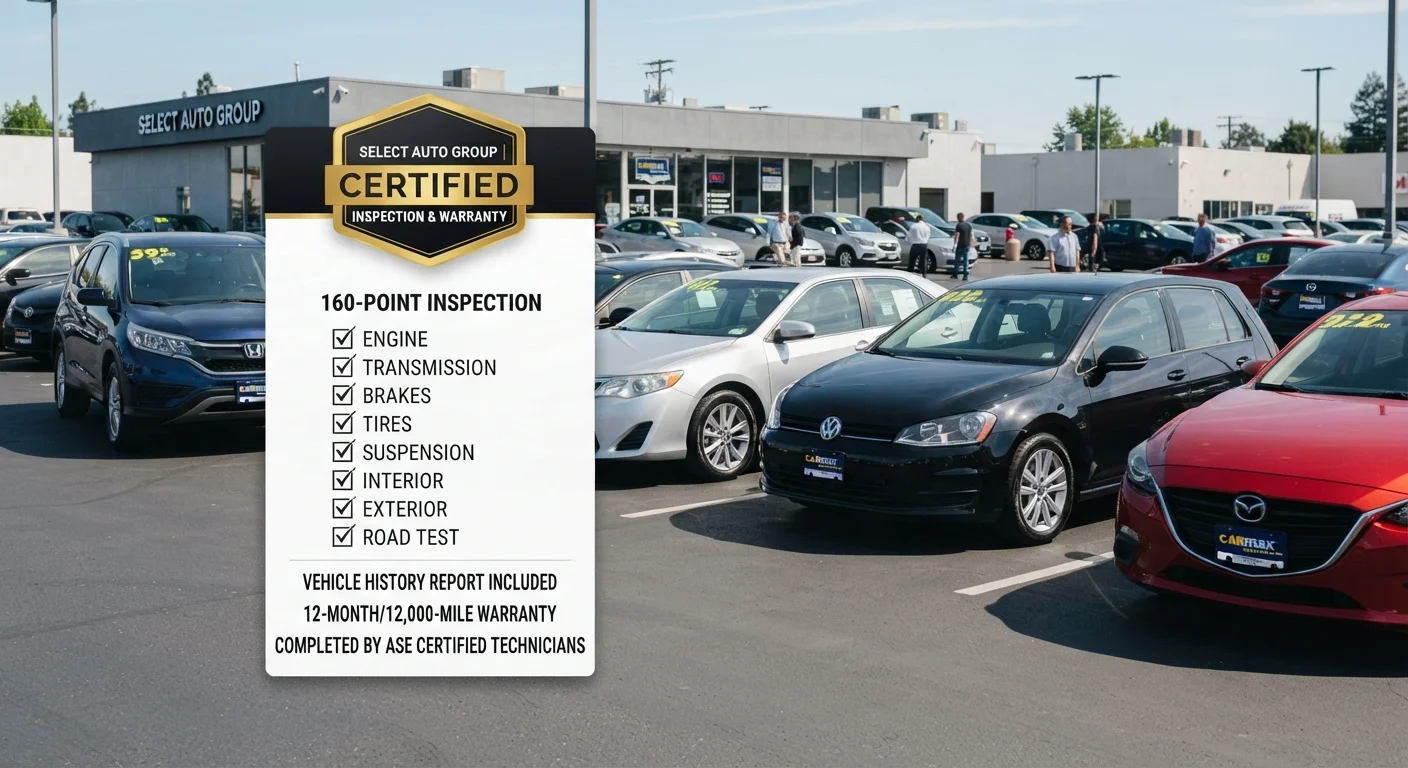
A manufacturer CPO inspection generally evaluates both mechanical and cosmetic condition. Common areas reviewed include the engine and transmission, brakes, suspension, tires, lights, fluid levels, electrical systems, and the vehicle's structural integrity. Many programs also require a review of the vehicle history report to screen for prior accident damage, title issues, or odometer irregularities.
However, the depth of any inspection is only as reliable as the technician performing it and the standards the program requires. Multi-point checklists can range from cursory visual scans to thorough functional tests. Automakers publish their inspection criteria - it is worth requesting or looking up the specific checklist for any program you are considering.
Always Request the Full Inspection Report
Any reputable CPO program should be able to provide a copy of the completed inspection checklist for the specific vehicle. Reviewing this document lets you see exactly what was checked - and any items that were repaired or noted. If a seller cannot produce this report, treat that as a significant caution.
Even a thorough CPO inspection is not a substitute for an independent review. See our guide to pre-purchase inspections for how to arrange one and what findings signal a deal-breaker versus a negotiating point.
Understanding CPO Warranty Coverage
CPO warranty structures typically work in one of two ways: they either extend the remaining factory warranty or add a new limited powertrain warranty once the factory coverage has expired. Some premium manufacturer programs layer both - a comprehensive limited warranty that mirrors new-car coverage for a defined period, followed by a longer powertrain-only warranty.
Key questions to ask about any CPO warranty:
- What components are covered? Powertrain-only coverage is far more limited than bumper-to-bumper.
- What is excluded? Wear items, cosmetic damage, and aftermarket modifications are commonly excluded.
- Is it transferable? Some CPO warranties transfer to a subsequent owner; others do not.
- Where can repairs be performed? Most manufacturer programs require authorized dealerships for warranty work.
- What is the deductible? Per-visit or per-repair deductibles affect the practical value of coverage.
For a broader look at how CPO warranties compare to extended service contracts and factory coverage, the breakdown of service plans versus manufacturer warranties is a useful companion resource.
~100-200+
Inspection checkpoints in typical manufacturer CPO programs
The number of inspection points varies significantly across automaker CPO programs; some brands publish their full checklists for consumer review.
80,000 mi
Common maximum mileage threshold for CPO eligibility
Many manufacturer CPO programs cap eligible vehicles at around 80,000 miles, though exact limits vary by brand and program.
5-7 years
Typical vehicle age limit for manufacturer CPO programs
Most automaker CPO programs restrict eligibility to vehicles within a defined model-year window, commonly five to seven years old.
The Limits of the CPO Label
A CPO designation is not a guarantee of a problem-free vehicle. It reflects a process - one that varies in rigor. Inspections can miss intermittent faults, pre-existing conditions not visible at the time of review, or issues that develop shortly after certification. Shoppers who treat the CPO badge as a definitive green light may find themselves under-protected.
Additionally, the resale premium a CPO vehicle commands should be weighed against the actual value of the warranty offered. If a vehicle is near the end of its eligible CPO warranty period, the added cost may not be proportionate to the remaining protection.
Understanding how manufacturers present their programs versus how independent assessments characterize real-world reliability is also worthwhile. The distinction between manufacturer claims and independent testing matters in this context as well. For a full pre-purchase framework, the pre-purchase evaluation checklist covers the questions worth asking before committing.
This article is for general informational purposes only and does not constitute financial, legal, or automotive advice. Warranty terms, program details, and vehicle conditions vary. Always review actual program documentation and consult qualified professionals for decisions specific to your situation.