
US Hardiness Zones Explained: What Your Zone Number Actually Means for Your Garden

Key Takeaways
USDA Plant Hardiness Zone
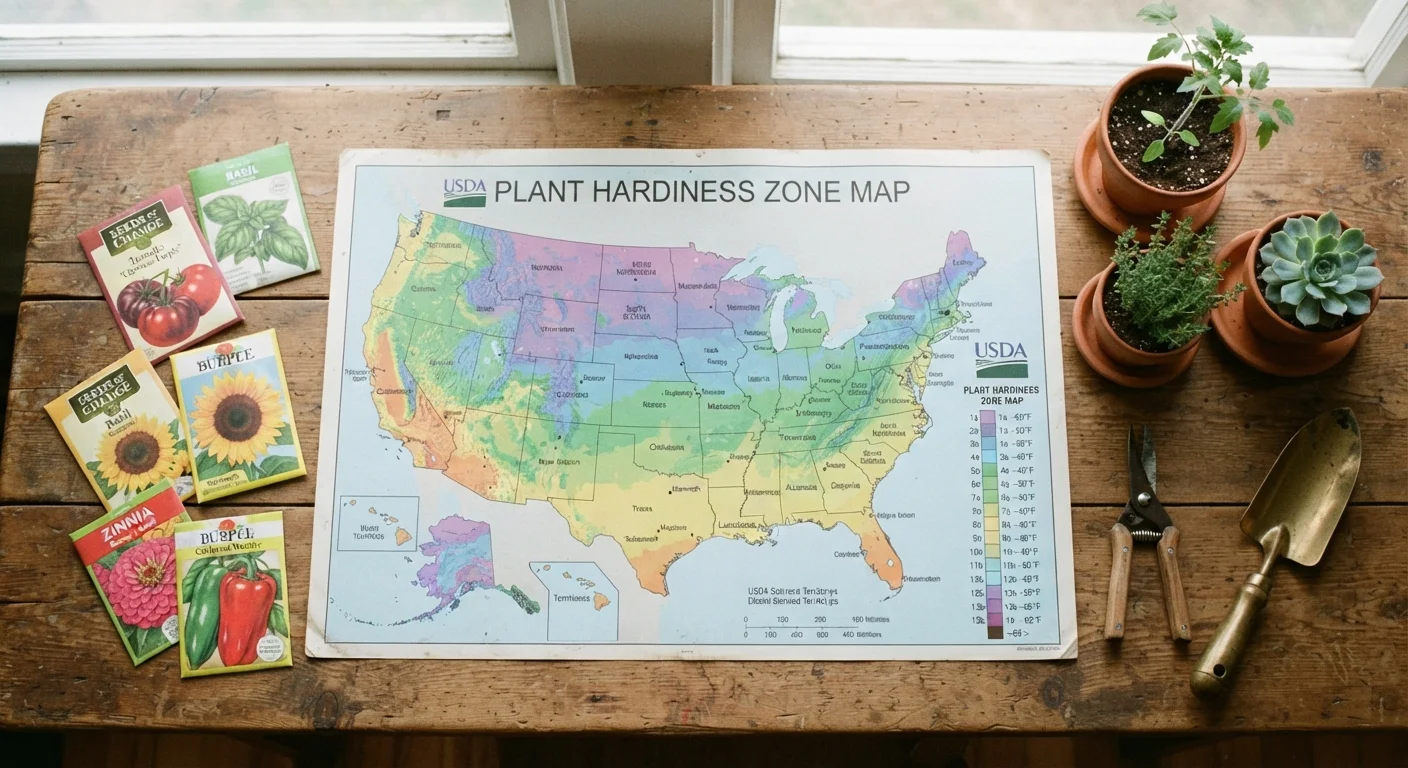
A USDA Plant Hardiness Zone is a geographic designation that tells you the average annual minimum winter temperature in your area. The United States is divided into 13 zones, numbered 1 (coldest) through 13 (warmest), each split into two sub-zones (a and b). Gardeners use this number to determine which perennial plants, trees, and shrubs are likely to survive winter in their location.
Each zone represents a 10°F range in average annual minimum temperature, and each half-zone (a or b) represents a 5°F difference. The USDA updates the map periodically as climate data evolves.
How the USDA Zone System Works
The USDA Plant Hardiness Zone Map was first developed in 1960 and has been refined several times since. Its core methodology is straightforward: scientists analyzed 30-year weather records to calculate the average annual minimum winter temperature for weather stations across the country, then grouped locations into zones based on those figures.
Zone 1 covers the coldest regions - parts of Alaska where winter temperatures can plunge to −60°F. Zone 13 covers tropical areas such as Puerto Rico and Hawaii's lowest elevations, where freezes essentially never occur. Most of the contiguous US falls between Zones 3 and 10. Each zone spans 10°F and is divided into an "a" (colder) and "b" (warmer) sub-zone, each representing a 5°F difference.
When a plant tag says "Hardy to Zone 6," it means that plant is expected to survive winter outdoors in any area where the average annual minimum temperature is no colder than −10°F to 0°F - the range that defines Zone 6.
Zones Apply Primarily to Perennials
Hardiness zones are most relevant for perennial plants - those that live for multiple years - including trees, shrubs, vines, and herbaceous perennials. Annual flowers and vegetables complete their life cycle in a single season, so they are not rated by hardiness zone. When shopping for annuals, focus on your frost dates rather than your zone number.
What Your Zone Number Tells You - and What It Doesn't
Your zone number answers one specific question: Can this perennial plant survive a typical winter here? That's genuinely useful when selecting trees, shrubs, ornamental grasses, and herbaceous perennials for a permanent planting.
What zones do not tell you:
- Summer heat or humidity. Zone 7 covers both coastal North Carolina and parts of the Mojave Desert - radically different gardening environments despite sharing a cold-minimum number.
- Rainfall or drought stress. A plant hardy to Zone 5 in Vermont may struggle in Zone 5 conditions in the northern plains due to lack of snow cover and desiccating winds.
- Planting dates for vegetables. Zones are not a frost-date calendar. Last frost dates vary within the same zone depending on elevation, proximity to water, and local topography.
For vegetable gardeners and those starting from scratch, zones are just one piece of the puzzle. See our first-timer's complete walkthrough for a broader framework that incorporates site, soil, and seasonal timing.
13
Total USDA hardiness zones in the US
The USDA Plant Hardiness Zone Map divides the country into 13 primary zones, each further split into two sub-zones.
2023
Year of the most recent USDA map update
The USDA released an updated hardiness zone map in November 2023, incorporating 30 years of temperature data from weather stations nationwide.
~half zone
Average warming shift since 1990 map
According to the USDA, about half of the US shifted into a warmer half-zone between the 1990 and 2023 map versions, reflecting changes in recorded minimum temperatures.
Microclimates: Why Your Backyard May Not Match Your Zone
Your official zone reflects a broad regional average, but your actual garden may behave warmer or colder depending on local conditions. These variations are called microclimates, and they matter more than many new gardeners expect.
Factors that create warmer microclimates include:
- South- or west-facing walls that absorb and radiate heat
- Proximity to paved surfaces or masonry that retains warmth
- Low-lying areas sheltered from prevailing winds
Factors that create colder microclimates include:
- Low spots in the landscape where cold air pools overnight (frost pockets)
- North-facing slopes with reduced sun exposure
- Open, exposed positions with no windbreak
Experienced gardeners often "push" their zone by one sub-zone in a favorable microclimate - placing a marginally hardy shrub against a south-facing brick wall, for instance. This is reasonable experimentation, but it comes with no guarantees, particularly in years with unusually severe winters.
Map Your Yard's Microclimates Before Planting
Spend a full year observing where frost lingers longest in spring, where snow melts first, and which corners stay consistently sheltered from wind. Sketching these zones on a simple yard map takes only minutes and can meaningfully inform plant placement for years to come. Your local cooperative extension office often provides free worksheets and guides to help with this process.
Putting Your Zone to Work in the Garden
Once you know your zone, using it becomes second nature. Here's a practical workflow:
- Look up your zone. Enter your zip code at the USDA's official interactive map. Note both the zone number and sub-zone letter.
- Read plant labels critically. A label that says "Zones 4-8" means the plant can survive winters in those zones. If you're in Zone 6b, you're in range.
- Account for your microclimate. Adjust your expectations up or down by one sub-zone based on your site's specific conditions.
- Cross-reference heat and moisture needs. Consult your local cooperative extension service - a free, land-grant university resource available in every US county - for guidance on regional heat, humidity, and irrigation norms.
- Start with zone-appropriate plants. Building a foundation of reliably hardy plants reduces losses and discouragement, especially for new gardeners.
Understanding your zone doesn't limit your garden - it focuses it. Knowing which plants are genuinely suited to your winters lets you invest time and money more confidently, season after season.