

Key Takeaways
Why DIY Myths Are So Persistent
Home improvement advice travels fast - through neighborhood apps, social media feeds, and well-meaning relatives. Some of it is genuinely useful. A significant portion, however, is oversimplified guidance that strips away the context needed to apply it correctly. When that happens, homeowners often end up paying a contractor to undo what the DIY attempt created on top of the original problem.
The myths below aren't obscure edge cases. They're among the most commonly repeated assumptions in home repair, and each one has a track record of turning manageable fixes into expensive remediation projects. Understanding where they go wrong is the first step toward tackling projects that stay solved.
Myth
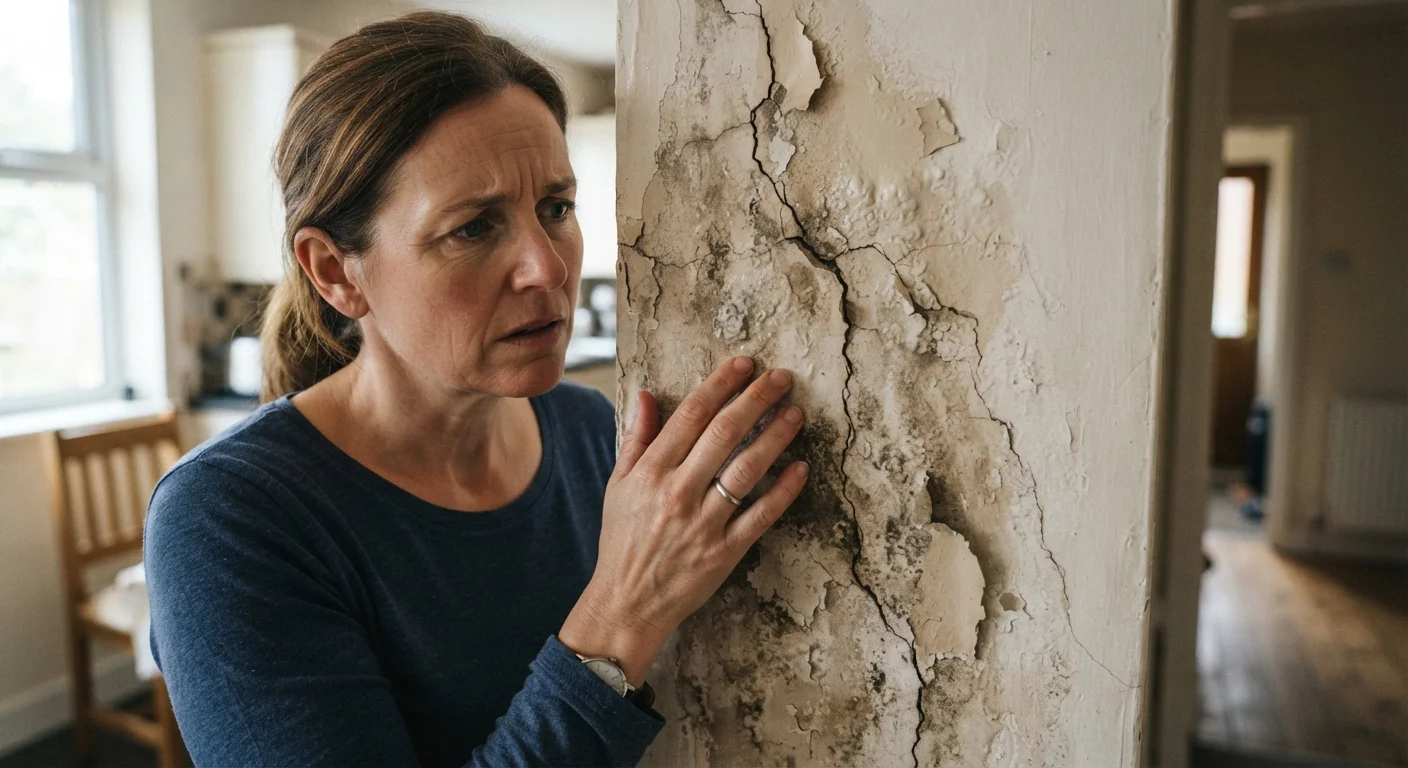
Paint covers everything - just roll a fresh coat over stains, cracks, or discoloration and the problem disappears.
Fact
Paint is a finish coating, not a repair medium. Applying it over unresolved problems seals in damage and typically makes the underlying issue worse.
Water stains, for instance, will bleed through most standard paints within weeks unless the moisture source is eliminated and the stained surface is primed with a stain-blocking primer. Painting over mold without treating the growth is both ineffective and a potential health concern. And painting over cracks without filling and feathering them first produces a finish that telegraphs every flaw. See our guide on drywall repair for common wall damage for the correct prep sequence before any paint goes on.
Myth
A bead of caulk around the tub, window, or foundation crack is all you need to stop water intrusion.
Fact
Caulk is a flexible sealant designed to bridge small gaps between finished surfaces - it is not a waterproofing system and will not stop sustained water pressure or bulk water movement.
Around tubs and showers, caulk plays a secondary role to properly installed backer board and waterproof membrane behind the tile. When caulk is used as the primary defense, water eventually works behind it - deteriorating the substrate, causing mold growth, and requiring full tile removal to fix. Foundation cracks with active water intrusion require drainage solutions and, in many cases, professional assessment. Our coverage of the case for and against finishing your basement addresses why moisture control must precede any finishing work below grade.
Myth
Tighter is always better when connecting pipes, fittings, or valves - use as much force as possible to prevent leaks.
Fact
Over-tightening threaded fittings is one of the most common causes of hairline cracks in plastic fittings and stripped threads in metal ones, both of which eventually leak.
Most plumbing fittings are designed to seal with a moderate, controlled amount of torque - often just hand-tight plus a turn or two with a wrench. Pipe thread sealant tape (PTFE tape) applied correctly does more to prevent leaks than force alone. Plastic supply line nuts, compression fittings, and even brass valves can crack when overtightened, creating slow leaks inside walls or cabinets that go unnoticed until water damage is extensive. If a fitting leaks after proper installation, the solution is to reseat or replace it - not to apply more force.
Myth
You can skip the permit - it's just a small project, and nobody inspects residential work anyway.
Fact
Permit requirements are based on the type and scope of work, not the homeowner's perception of its size. Unpermitted work on regulated systems can result in fines, mandatory demolition, and problems at resale.
Electrical, plumbing, HVAC, structural, and certain roofing work typically require permits in most US municipalities regardless of project scale. When unpermitted work is discovered during a home sale inspection - or after an insurance claim - the consequences can be significant: insurers may deny claims related to unpermitted modifications, and buyers may demand costly remediation as a condition of sale. The permit process also provides an inspection checkpoint that catches installation errors before they become embedded in walls and ceilings. Learn which projects typically require permits and how to verify requirements in your jurisdiction before starting work.
Myth
Patching the damaged area is enough - replace only what's visibly broken and move on.
Fact
Visible damage is frequently a symptom of a broader underlying cause. Patching without diagnosing and addressing the root issue leads to repeat failures in the same location.
A recurring crack in the same section of drywall may indicate seasonal movement, a framing issue, or settling - not a surface problem that paste and tape will permanently resolve. Flooring that buckles in one spot often points to subfloor moisture. Replacing only the finished material without resolving what caused the damage guarantees the same repair will be needed again. Before any cosmetic fix, the first question to ask is: what caused this, and is that cause still active? If the answer is unclear, a professional assessment before patching is worth the cost.
When to Stop and Call a Professional
Recognizing the limits of a DIY project isn't a failure - it's good judgment. Certain categories of work carry enough risk that licensed professionals aren't just recommended; they're often legally required. Electrical panel work, gas line modifications, load-bearing structural changes, and major plumbing tie-ins to mains typically require permits and licensed trades in most US jurisdictions.
DIY Electrical and Gas Work Carries Serious Risk
Electrical panel work, new circuit installations, and any modification to gas lines are not suitable DIY projects for most homeowners - regardless of online tutorials suggesting otherwise. Errors in these systems can cause fires, carbon monoxide hazards, or electrocution. In most US jurisdictions, this work requires a licensed electrician or plumber and a permit. Even if completed without immediate incident, unpermitted work on these systems can void homeowner's insurance coverage and create liability.
Before starting any project that involves opening walls, altering drainage, or touching mechanical systems, it's worth reviewing local code requirements. Our guide on what permits your home renovation actually requires outlines which projects commonly trigger permit requirements and why skipping them can create serious complications at resale. If you're also planning a major upgrade like a new HVAC system, see everything homeowners should know about HVAC replacement before making decisions.
Unpermitted Work Can Affect Your Insurance Coverage
If damage occurs in an area where unpermitted modifications were made, your homeowner's insurance policy may deny the claim. This applies to electrical fires, plumbing failures, and structural incidents tied to work that wasn't inspected. Before starting any project that touches mechanical systems or structural elements, verify permit requirements with your local building department - not just with the person doing the work.
Once a project is scoped correctly - with permits pulled where needed and hazardous work handed off - the remaining cosmetic and finish work is often well within a capable homeowner's reach. The key is drawing that line before starting, not after a problem surfaces.