

| R-Value Scale | Higher = better insulation (U.S. Department of Energy) |
| Attic Insulation Range (by climate zone) | R-30 to R-60 (DOE Insulation Fact Sheet) |
| ENERGY STAR Administered By | U.S. Environmental Protection Agency (EPA) |
| R-Values Are Additive | Yes - layers combine |
| R-Value Measures Air Sealing | No - separate metric needed |
| ENERGY STAR Tiered Levels | Standard + Most Efficient (select categories) (energystar.gov) |
What ENERGY STAR Actually Certifies
The ENERGY STAR label is a voluntary certification program administered by the U.S. Environmental Protection Agency (EPA). When a product carries the label, it has met independently verified efficiency thresholds - meaning it uses measurably less energy than minimum federal standards require. That said, the label doesn't mean a product is the most efficient option available; it means it clears a defined bar.
ENERGY STAR covers a wide range of products: windows, doors, roofing, insulation, HVAC systems, water heaters, appliances, and more. Each product category has its own technical specification, so an ENERGY STAR window is evaluated on completely different criteria than an ENERGY STAR refrigerator. The program also issues tiered designations in some categories - such as ENERGY STAR Most Efficient - to recognize products that significantly exceed baseline requirements.
For homeowners, the label's most practical value is twofold: it simplifies comparisons across models and it often qualifies the purchase for federal tax credits or utility rebates. Eligibility rules for those programs change, so always verify current requirements through official government sources before assuming a product qualifies.
Tax Credits and Rebates Require Verification
Many ENERGY STAR-certified products may qualify for federal tax credits or utility rebates, but eligibility criteria, credit amounts, and program availability change over time. Always confirm current requirements through official IRS guidance and your local utility provider before purchasing - do not rely on product marketing alone to determine eligibility.
See our guide on interpreting rating systems for a broader look at how certifications and star ratings can be read accurately before you commit to a purchase.
How R-Value Works - and Where It Applies
R-value measures thermal resistance - how well a material slows the transfer of heat. A higher R-value means greater resistance to heat flow, which translates to better insulation performance. R-values are additive: if you layer two pieces of insulation, their individual R-values combine.
| R-Value Scale | Higher = better insulation (U.S. Department of Energy) |
| Attic Insulation Range (by climate zone) | R-30 to R-60 (DOE Insulation Fact Sheet) |
| ENERGY STAR Administered By | U.S. Environmental Protection Agency (EPA) |
| R-Values Are Additive | Yes - layers combine |
| R-Value Measures Air Sealing | No - separate metric needed |
| ENERGY STAR Tiered Levels | Standard + Most Efficient (select categories) (energystar.gov) |
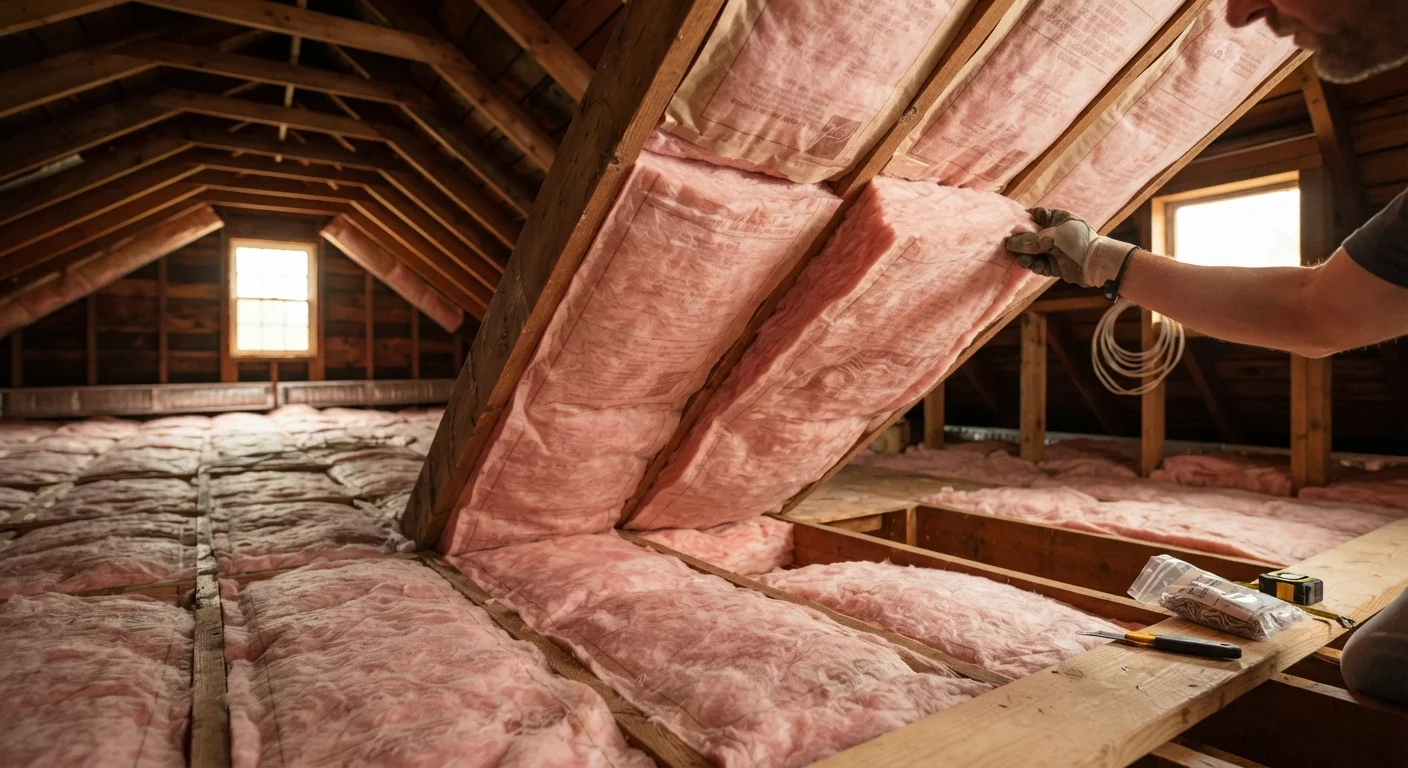
R-value is most commonly cited for insulation products (fiberglass batts, spray foam, rigid foam board, blown-in cellulose), but it also appears in window ratings and wall assembly calculations. It does not measure air sealing - a common point of confusion. A perfectly R-38 attic that has open penetrations around light fixtures and plumbing will underperform a less-insulated attic that is fully air-sealed. As our article on hidden energy loss points explains, air leakage and insulation are separate problems requiring separate solutions.
Recommended R-values vary significantly by climate zone and building assembly. The Department of Energy publishes zone-specific guidelines - for example, attic insulation recommendations range from roughly R-30 in warm southern climates to R-60 in cold northern regions. Walls, floors over unheated crawlspaces, and basement walls each have their own targets. Consult those guidelines or a qualified energy auditor before specifying insulation for a project.
Applying Both Standards to Common Upgrade Projects
When planning a home upgrade, these two standards often appear side by side. Here's how to read them for the most common project types:
- Windows and doors: Look for ENERGY STAR certification as a baseline. Also check the NFRC label for U-factor (rate of heat loss - lower is better) and Solar Heat Gain Coefficient (SHGC). In hot climates, a lower SHGC reduces cooling loads; in cold climates, a moderate SHGC can be a heat asset.
- Insulation: R-value is the primary metric. Match the product's R-value to your climate zone's recommendation for the specific assembly - attic, wall cavity, or crawlspace. Material type matters too: spray foam adds an air barrier, while fiberglass batts do not.
- HVAC and appliances: ENERGY STAR certification is the relevant marker. For heat pumps and central air conditioners, also review SEER2 (efficiency rating) alongside the ENERGY STAR designation, as systems vary meaningfully within the certified tier.
Neither label is a guarantee of overall home comfort or energy savings - building performance depends on the whole system, including duct integrity, air sealing, and occupant behavior. These certifications are useful, credible reference points, not final answers on their own.
ENERGY STAR
A voluntary EPA certification program that verifies a product meets defined energy efficiency thresholds above federal minimums. Certification criteria differ by product category.
R-Value
A numerical measure of a material's resistance to heat flow. Higher R-values indicate greater insulating ability; values are additive when materials are layered.
U-Factor
The rate at which a window or assembly transfers non-solar heat. Lower U-factors indicate better insulating performance and are commonly listed on NFRC window labels.
Solar Heat Gain Coefficient (SHGC)
A measure of how much solar radiation passes through a window. A lower SHGC reduces unwanted heat gain in warm climates; a higher value can be beneficial in colder regions.
SEER2
Seasonal Energy Efficiency Ratio 2, a rating used for air conditioners and heat pumps reflecting seasonal efficiency under updated testing standards. Higher numbers indicate greater efficiency.
Climate Zone
A geographic classification system used by the U.S. Department of Energy to group regions with similar heating and cooling demands, guiding insulation and efficiency recommendations.