
Sinking Funds: The Savings Technique That Makes Irregular Expenses Less Disruptive

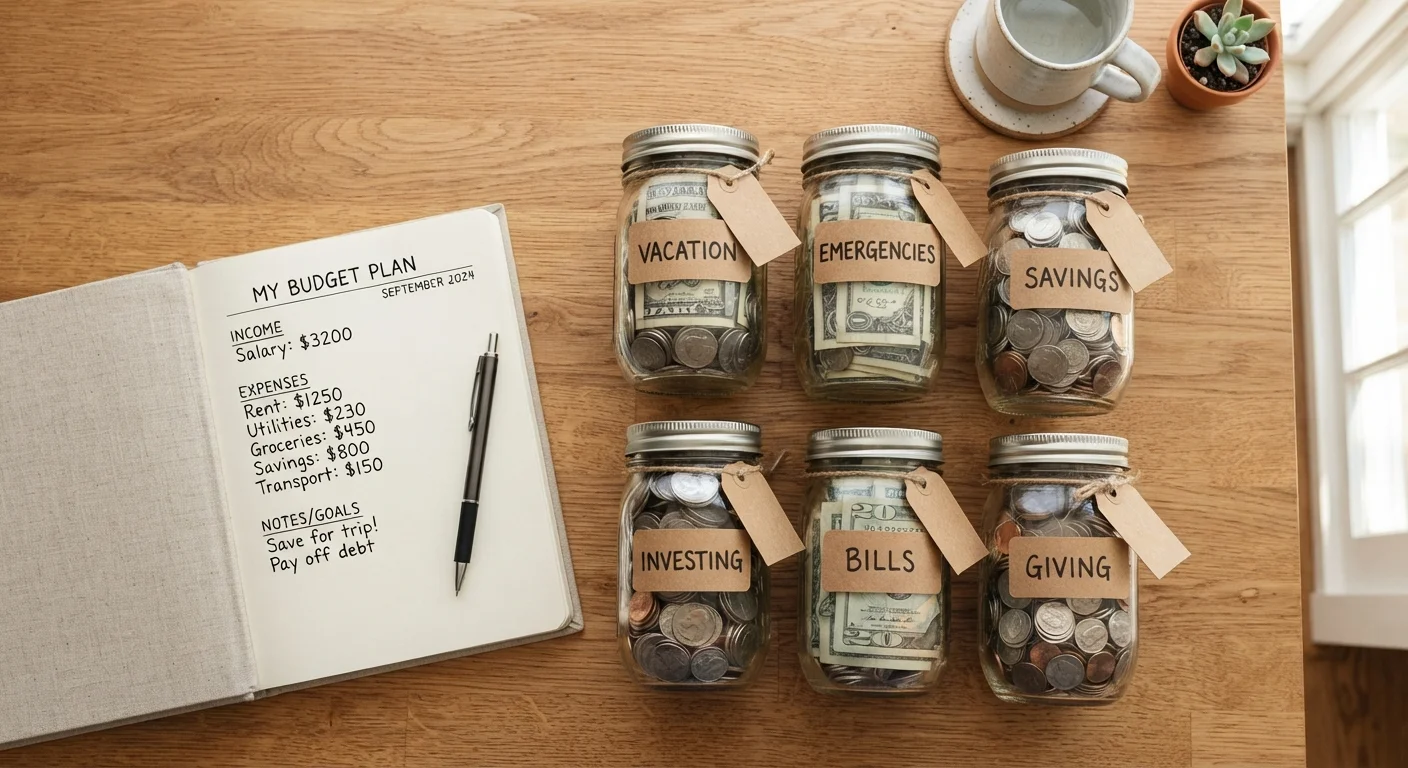
Key Takeaways
Sinking Fund
A sinking fund is a dedicated savings pool you build up over time to cover a specific, predictable future expense. Instead of being caught off guard when the bill arrives, you contribute a small, regular amount until the money is ready. The term comes from accounting and bond financing, but for everyday personal finance, it simply means saving intentionally for something you know is coming.
In corporate and municipal finance, a sinking fund refers to money set aside to retire debt gradually. In personal budgeting, the concept is applied more broadly to any planned, non-monthly expense.
Why Irregular Expenses Derail Budgets
Most budgets are built around monthly predictability - rent, utilities, groceries, loan payments. But plenty of real costs don't arrive every month. Car registration, annual insurance premiums, back-to-school supplies, holiday gifts, and home appliance replacements all land at irregular intervals, and they have a habit of feeling like emergencies even when they aren't.
Irregular expenses are one of the most common reasons household budgets fall short. The expense was always predictable in hindsight - it arrives every year on roughly the same schedule - but it wasn't factored into the monthly plan. The result is a scramble to cover it from whatever is available: savings, a credit card, or a deferred bill elsewhere.
Sinking funds exist to solve this problem. They translate a lump-sum future cost into smaller, routine contributions you make now, so that when the bill arrives, the money is simply there.
1 in 3
Americans who couldn't cover a $400 unexpected expense
According to Federal Reserve surveys on household financial stability, a significant share of US adults lack the liquidity to handle modest unplanned costs without borrowing.
$1,000-$3,000
Typical annual home maintenance cost range
General financial education sources commonly cite annual home upkeep costing 1%-2% of a home's value, making it one of the most impactful sinking fund categories for homeowners.
How a Sinking Fund Works
The mechanics are straightforward. Identify an upcoming expense, estimate its total cost, determine when you'll need the money, and divide accordingly.
For example: if you estimate you'll spend $600 on holiday gifts and you have six months to prepare, you set aside $100 per month into a dedicated account. When December arrives, the money is ready without touching your regular budget or dipping into savings meant for emergencies.
That same logic scales to larger costs. A $1,200 car insurance annual premium paid six months from now means $200 per month. A $3,000 home repair you expect within a year means $250 per month. The size of the goal doesn't change the framework - only the numbers.
Label Your Accounts to Reduce Temptation
If your bank allows sub-accounts or account nicknames, name each sinking fund after its purpose - 'Car Registration 2025' or 'Holiday Gifts.' Seeing the label before making a transfer makes it psychologically easier to leave the money alone until the intended expense arrives.
Sinking funds differ meaningfully from an emergency fund. An emergency fund is for the unknown - unexpected job loss, a medical event, a sudden repair you couldn't have planned for. A sinking fund is for the known - costs you can see coming even if the exact timing varies slightly. Using emergency savings to cover predictable expenses gradually drains the buffer you'd need for a genuine crisis.
Common Categories People Use Sinking Funds For
There's no prescribed list - the right categories depend on your household. Some common examples:
- Vehicle costs: registration, annual inspection, tires, or an oil change fund for those who prefer not to budget it monthly
- Home maintenance: HVAC servicing, gutter cleaning, appliance replacement
- Insurance premiums: policies paid semi-annually or annually rather than monthly
- Medical and dental: planned procedures, glasses, or out-of-pocket costs beyond insurance
- Holidays and gifts: a dedicated fund prevents the January credit card hangover
- Travel: a focused sinking fund makes vacations genuinely affordable rather than debt-financed - smart travel budgeting starts well before you book
- Annual subscriptions: software, memberships, or licenses that auto-renew
For a broader picture of how sinking funds fit into the overall savings and debt landscape, our foundational savings and debt overview maps out how these concepts connect.
Fitting Sinking Funds Into a Budget
Sinking funds work best when treated as a non-negotiable budget line item - the same way you'd treat rent or a utility bill. The contribution goes out automatically on payday, before discretionary spending happens.
A practical starting point is to list every irregular expense you expect over the next 12 months, estimate the cost of each, and divide by the number of months you have. Add those monthly totals as fixed line items in your budget. If you use a budgeting framework, sinking fund contributions typically fall into the savings or fixed-expense category depending on the method you use.
If money is tight and you can't fully fund every category immediately, prioritize by timing. Fund the expense arriving soonest most aggressively, then build the others as income allows.
This article is for general informational and educational purposes only and does not constitute personalized financial advice. Consult a qualified financial professional for guidance specific to your situation.