

| Primary challenge | Cats instinctively hide signs of pain and illness |
| Earliest warning signs | Behavioral changes (hiding, appetite shifts, vocalization) |
| When to seek urgent care | Inability to urinate, open-mouth breathing, collapse, pale gums (General veterinary consensus) |
| Commonly overlooked condition | Dental disease - often silent until advanced |
| Recommended action for subtle changes | Schedule a vet appointment within a few days; don't wait for symptoms to worsen |
Why Cats Hide Pain and Illness
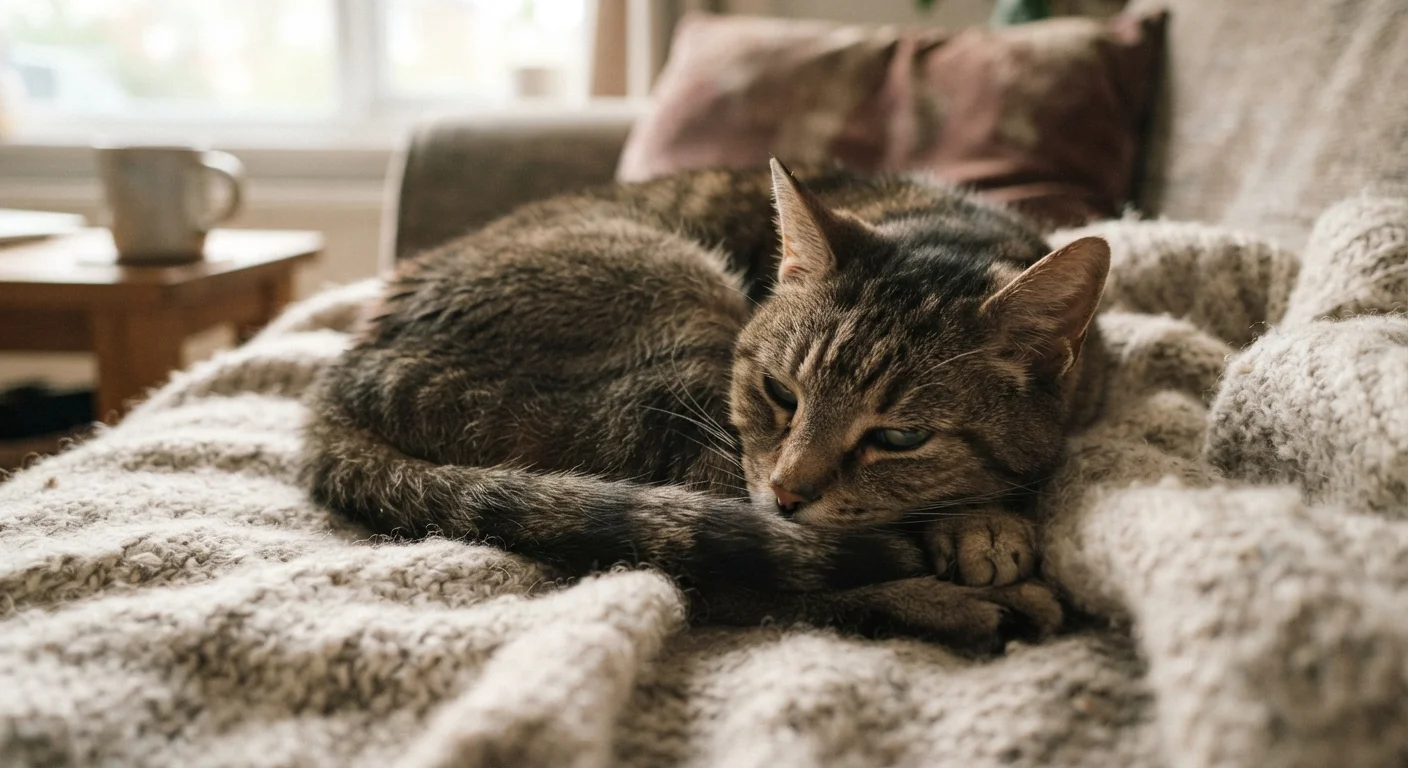
Cats are instinctively inclined to conceal vulnerability. In the wild, showing weakness can attract predators, so even domesticated cats tend to suppress obvious signs of discomfort. This means that by the time a cat's illness or pain becomes apparent to an owner, the condition may already be well advanced. Understanding this biology is the first step toward catching problems earlier.
Owners are often in the best position to notice change because they know their individual cat's baseline - their normal appetite, posture, social habits, and grooming routines. A shift in any of these patterns is worth paying attention to, even when the cause isn't immediately obvious. This article outlines the key behavioral and physical signals veterinary professionals commonly associate with pain or illness in cats.
This content is for general educational purposes only and is not a substitute for professional veterinary advice. Always consult a licensed veterinarian for concerns about your cat's health.
| Primary challenge | Cats instinctively hide signs of pain and illness |
| Earliest warning signs | Behavioral changes (hiding, appetite shifts, vocalization) |
| When to seek urgent care | Inability to urinate, open-mouth breathing, collapse, pale gums (General veterinary consensus) |
| Commonly overlooked condition | Dental disease - often silent until advanced |
| Recommended action for subtle changes | Schedule a vet appointment within a few days; don't wait for symptoms to worsen |
Behavioral Signs That Something May Be Wrong
Changes in behavior are often the earliest indicators that a cat is unwell. These include:
- Withdrawal or hiding: A cat that suddenly retreats to isolated spots or avoids family contact may be experiencing pain or nausea.
- Reduced grooming or over-grooming: A dull, matted coat can reflect lethargy or joint pain; excessive licking of one area may signal localized discomfort.
- Aggression or irritability: A cat that hisses, swats, or bites when touched - especially in a specific area - may be guarding a painful site.
- Vocalization changes: Increased yowling, howling, or unusual vocalizations can be associated with pain, particularly in older cats.
- Altered litter box habits: Straining, crying in the box, or avoiding it altogether can indicate urinary or gastrointestinal issues. See what litter box avoidance may actually mean for more on the medical context behind this behavior.
- Changes in sleep or activity: Marked increases in rest, reluctance to jump, or reduced play can all reflect pain or systemic illness.
Masking behavior
The instinctive tendency of cats to suppress outward signs of pain or illness. This evolutionary trait can make it difficult for owners and even veterinarians to assess a cat's discomfort without careful observation.
Lethargy
Abnormal fatigue or lack of energy beyond a cat's normal resting behavior. Persistent lethargy - particularly when accompanied by other symptoms - is considered a clinically relevant sign worth investigating.
Polydipsia
Excessive water intake in animals. In cats, polydipsia can be associated with conditions such as diabetes mellitus, kidney disease, or hyperthyroidism, and warrants veterinary evaluation.
Guarding
A pain response in which an animal protects a specific body part by avoiding contact, changing posture, or reacting with aggression when that area is touched or approached.
Physical Signs to Monitor
Alongside behavioral changes, physical signs may offer clearer clues. These should prompt timely veterinary evaluation:
- Changes in appetite or water intake: Eating significantly less - or more - or drinking unusually large amounts of water can indicate metabolic or organ-related conditions.
- Weight loss or gain: Unexplained weight changes are among the more reliable indicators of underlying illness.
- Squinting or eye discharge: Eye changes can reflect local infection, systemic illness, or elevated blood pressure.
- Bad breath or drooling: Foul-smelling breath or sudden excessive drooling may point to dental disease or oral pain. Dental conditions are among the most commonly overlooked cat health issues, yet they're highly treatable when caught early.
- Labored or rapid breathing: Any significant change in respiratory pattern warrants immediate veterinary attention.
- Hunched posture or stiff gait: A cat moving carefully, reluctant to extend fully, or holding an unusual posture may be experiencing musculoskeletal pain.
For comparison, dogs show pain differently - but the underlying challenge of reading animal discomfort is shared across species.
When to Contact Your Veterinarian
Some signs require urgent care. Seek same-day or emergency veterinary attention if your cat shows:
- Inability to urinate or straining without producing urine (a potential emergency, especially in male cats)
- Open-mouth breathing or panting
- Pale, blue, or white gums
- Collapse or extreme weakness
- Seizures
- Suspected ingestion of a toxic substance
For non-emergency concerns - such as gradual weight loss, mild appetite changes, or subtle behavioral shifts - scheduling a vet appointment within a few days is appropriate. Routine wellness exams also remain one of the most effective tools for catching illness before symptoms become obvious. When in doubt, contacting your veterinary clinic for guidance is always a reasonable first step.