

Key Takeaways
Why the Steps You Take Early Matter Most
A car insurance claim is essentially a formal request for your insurer to fulfill the financial obligations outlined in your policy. The accuracy and completeness of the information you gather at the scene - and in the hours immediately following - directly shapes how the claim is evaluated and resolved.
Before filing, it helps to understand which type of coverage will apply. Liability, collision, and comprehensive coverages each address different scenarios, and the process differs slightly depending on which is triggered. For instance, whether a collision or comprehensive claim is more appropriate affects your deductible, your insurer's subrogation rights, and how the adjuster frames the investigation. See our breakdown of collision vs. comprehensive coverage if you are unsure which applies to your situation.
What you will need
The steps below walk through the process in sequence - from the moment of the incident through final settlement.
Ensure Safety and Call Emergency Services if Needed
Before anything else, confirm that everyone involved is safe. Move vehicles out of active traffic only if they are drivable and it is safe to do so. Call 911 immediately if anyone is injured, if the vehicles are blocking traffic dangerously, or if the damage appears significant. In many states, a police report is required for insurance claims involving injury or damage above a set threshold - even when all parties seem cooperative, a report creates an official record that protects everyone.
Exchange Information with the Other Party
Collect the following from every driver involved: full legal name, address, phone number, driver's license number, license plate number, vehicle make and model, and their insurance company name and policy number. Do not rely on the other driver to contact you later - get everything before leaving the scene.
Document the Scene Thoroughly
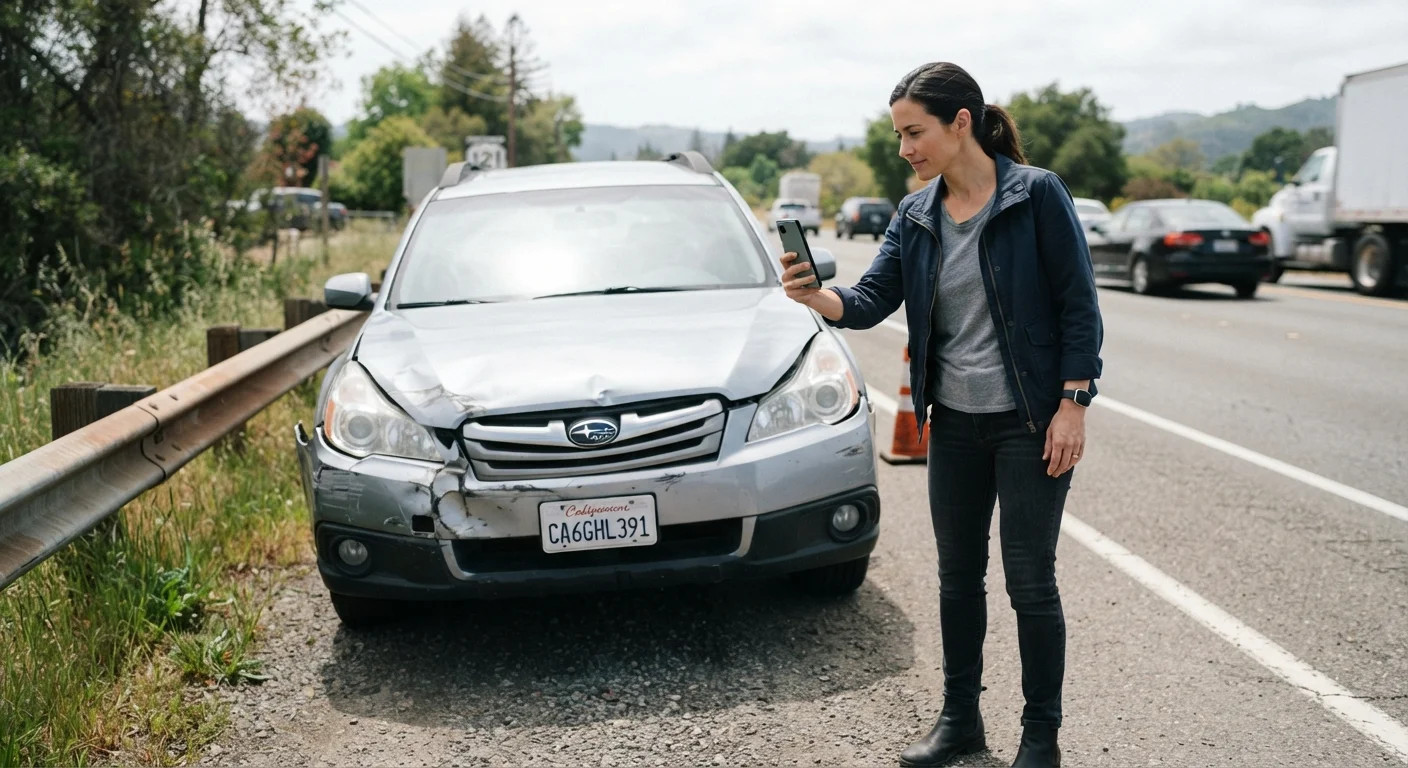
Photograph all vehicles from multiple angles, capturing overall damage and close-up details. Also document: the surrounding road conditions, any traffic signs or signals, skid marks, debris, and the general layout of the area. If there are witnesses, ask for their names and contact information. Note the time, date, weather, and lighting. The more objective evidence you gather now, the less ambiguity the adjuster will face later.
Notify Your Insurer Promptly
Contact your insurance company as soon as it is practical - ideally the same day. Use the phone number or app on your insurance card. During this call, provide a factual account of what happened: the time, location, parties involved, and the apparent damage. Avoid speculating about fault or exaggerating or minimizing damage. The insurer will assign a claims representative or adjuster and explain what documentation they need from you.
Work with the Claims Adjuster
An adjuster - employed by or contracted by your insurer - will evaluate the damage, review the evidence, and determine coverage applicability and fault. They may inspect the vehicle in person or use photos you submit. Cooperate fully and provide documents promptly, but you are not required to accept an initial settlement offer without review. If the adjuster's repair estimate seems too low, you may request a second estimate from a repair shop of your choice, depending on your policy terms.
Understand the Settlement and Next Steps
Once the adjuster completes the evaluation, your insurer will issue a settlement decision. If your claim is approved, payment typically goes to you, your lender (if the vehicle is financed), or directly to an approved repair shop. You will be responsible for your deductible - the amount you agreed to pay out-of-pocket when you purchased the policy. If the vehicle is declared a total loss, the insurer will offer an actual cash value (ACV) settlement, which reflects the vehicle's market value before the loss, not its replacement cost. Review the offer carefully before accepting.
Avoiding Common Mistakes That Complicate Claims
Never Admit Fault at the Scene
Fault determination is a formal process that considers police reports, physical evidence, and witness statements. Saying "I'm sorry" or accepting blame on the spot - even casually - can be used against you during the claims review. Stick to exchanging factual information and let the insurers and, where applicable, investigators make the liability determination.
Beyond the immediate scene, several missteps can slow down or complicate a claim once the process is underway. The most common include: providing inconsistent accounts of the incident across conversations with adjusters, making repairs before the adjuster has inspected the damage, and disposing of any damaged parts the insurer may want to review.
Late Reporting Can Jeopardize Your Claim
Most auto insurance policies include a duty to report incidents within a reasonable timeframe - and some specify exact windows. Waiting too long to notify your insurer can give them grounds to delay or deny the claim. When in doubt, report early and let the adjuster guide next steps.
It is also worth noting that your insurer will check your account's claim history, which can influence how the claim is handled and your future premiums. That said, legitimate claims are what insurance is designed for - filing an accurate, well-documented claim is simply using your policy as intended.
Build a Simple Claims Paper Trail
Create a dedicated folder - physical or digital - the moment an incident occurs. Save every photo, email, estimate, and call log in one place. A complete, organized record protects you if the claim becomes disputed and significantly speeds up the settlement process.
If a claim is denied or you believe the settlement is unreasonable, your insurer is required to provide a written explanation. From there, you can appeal internally, escalate to your state's Department of Insurance, or - for disputes over larger sums - consult an attorney. Understanding the small claims court process may also be relevant in certain third-party dispute scenarios.
This article provides general information about auto insurance claims processes and is not legal or insurance advice. Coverage terms, claim procedures, and dispute options vary by policy and by state. Consult your policy documents and a licensed insurance professional for guidance specific to your situation.