

Cars & Auto

The Seasonal Car Maintenance Checklist Every Driver Should Keep

Share
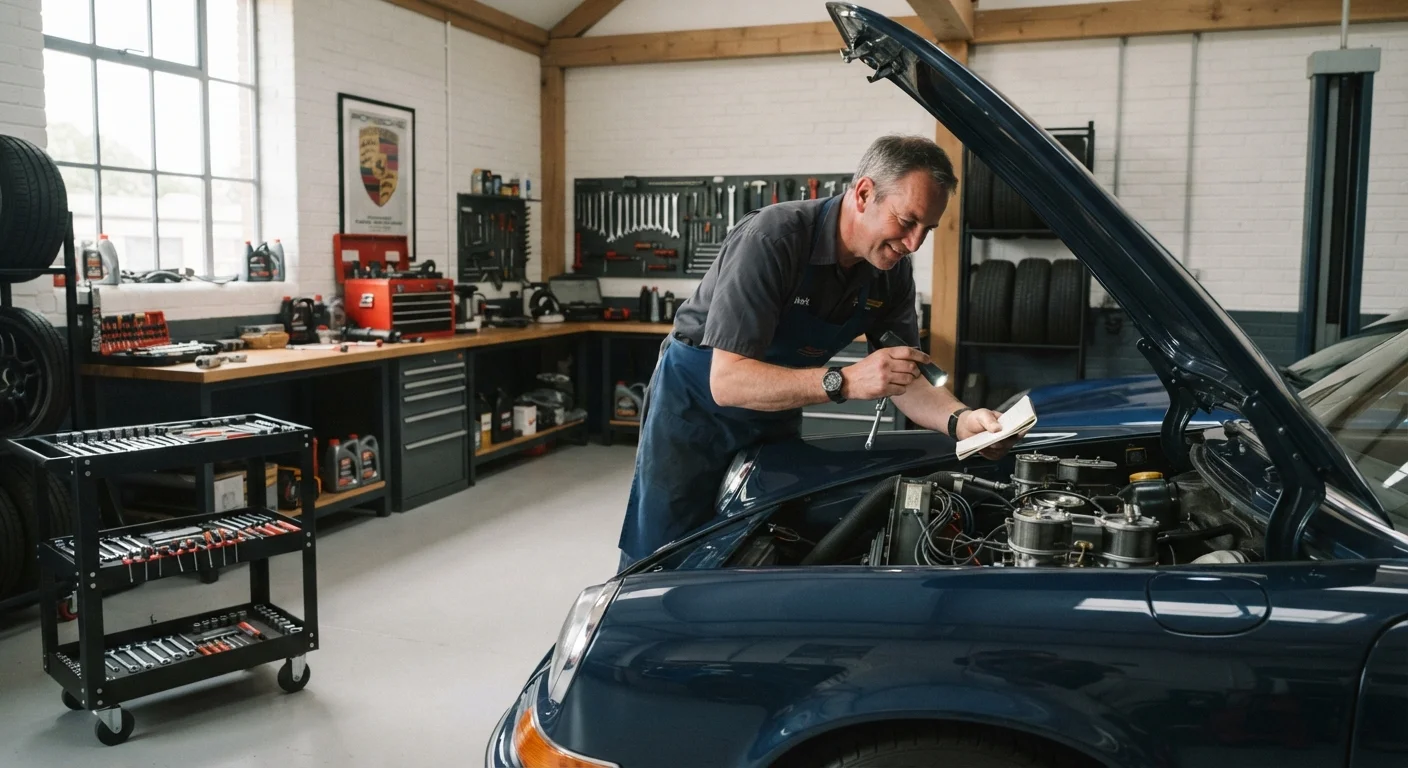
Driver inspecting open car hood in a clean garage with tools nearby

Key Takeaways

Seasonal checks catch small problems before they become costly repairs or roadside emergencies.
Many inspection tasks require only basic tools and a few minutes of focused attention.
Your owner's manual remains the most reliable source for service intervals specific to your vehicle.
Keeping a record of completed checks strengthens resale value and speeds up mechanic diagnostics.
Some tasks — particularly brake and suspension work — should always be handed to a qualified mechanic.
30–60 min

Summary

24 items · 30–60 minutes per seasonal review

Why a Seasonal Approach Beats a Random One

Most vehicle problems don't appear without warning — they develop gradually through temperature swings, mileage accumulation, and routine wear. Organising your maintenance around the four seasons gives you a practical, repeatable framework for catching issues early, rather than reacting to them after a breakdown.

This checklist covers the checks most commonly recommended by automotive professionals. It is not a substitute for your vehicle's owner's manual, which specifies the service intervals and fluid types your particular make and model requires. When in doubt, defer to that document or consult a licensed mechanic.

Not sure which tasks you can handle yourself and which are better left to a professional? See our guide to DIY vs. shop repairs for a clear breakdown. And if you want to track completed items over time, our article on keeping a maintenance log explains why that habit pays off more than most drivers realise.

Spring (Post-Winter Recovery)

Inspect tires for uneven wear, cracks, or low tread depth caused by winter road conditions, and check pressure against the door placard specification. Must
Examine the undercarriage and wheel wells for rust or damage from road salt and de-icing chemicals. Must
Test windshield wipers and replace blades that streak or skip after a winter of heavy use. Should
Top off or flush windshield washer fluid and replace with an all-season formula. Should
Check all exterior lights — headlights, taillights, and turn signals — for cracks or moisture intrusion. Must
Schedule a brake inspection if the vehicle was driven frequently in wet or salty conditions. Must

Summer (Heat and Long-Trip Prep)

Have the cooling system inspected — including coolant level, hose condition, and radiator cap integrity — before sustained hot-weather driving. Must
Check the air conditioning system for adequate cooling output; a noticeable drop in performance can indicate a refrigerant or compressor issue. Should
Inspect the battery, as heat accelerates battery degradation; have it load-tested if it is more than three years old. Should
Verify tire pressure more frequently during summer, since heat causes air to expand and can push pressure above safe operating range. Must
Check that the spare tire is properly inflated and that the jack and lug wrench are present and accessible. Nice to have

Fall (Pre-Winter Preparation)

Assess tire tread depth and consider whether winter or all-season tires are appropriate for your region's conditions. Must
Test the battery under load and replace it if capacity has dropped significantly, since cold weather reduces battery output. Must
Check antifreeze concentration using an inexpensive coolant tester to confirm the mixture protects against expected low temperatures. Must
Inspect belts and hoses for cracking or softness, as cold temperatures make existing wear worse. Should
Replace windshield wipers with winter-rated blades if you live in a region with heavy snow or ice. Should
Restock an emergency kit with jumper cables, a blanket, a flashlight, and basic supplies suited to winter conditions. Nice to have

Year-Round Checks (Every 1–3 Months)

Check engine oil level with the dipstick and inspect for a milky or unusually dark appearance that could signal a deeper problem. Must
Verify brake fluid, power steering fluid, and transmission fluid levels against the marks on each reservoir. Must
Confirm all interior and exterior lights are functioning and replace any burned-out bulbs promptly. Must
Listen for new sounds — grinding, squealing, or thumping — and have them evaluated by a mechanic before they worsen. Must
Keep the fuel tank at least one quarter full to protect the fuel pump and extend its lifespan. Should
Log completed checks and any work performed, noting mileage and date, to build a reliable vehicle history. Nice to have

Using This Checklist Effectively

Work through the relevant season's group at the start of each new season — spring and fall tend to be the most intensive because they precede the year's most demanding driving conditions. Summer and winter checks are typically lighter but no less important.

Brake and Suspension Work: Leave It to a Professional

Brake pads, rotors, calipers, and suspension components are safety-critical systems where incorrect installation can have serious consequences. Even if you handle many maintenance tasks yourself, these inspections and repairs are best performed by a qualified mechanic with the proper lift equipment and diagnostic tools. If you notice any pulling, vibration, or extended stopping distances, have the vehicle inspected promptly rather than waiting for your next scheduled check.

Priority levels are marked for each item. Must items are non-negotiable safety or reliability checks. Should items are strongly recommended and prevent predictable failures. Nice-to-have items improve comfort or extend component life but can be deferred if time or budget is tight.

It's also worth noting that many persistent maintenance myths — such as mandatory 3,000-mile oil changes — can lead drivers to spend money unnecessarily. Our companion article on maintenance myths that cost drivers money separates fact from long-standing fiction.

Required

Tire pressure gauge

Accurately measures tire pressure so you can match the vehicle manufacturer's recommended PSI.

Required

Coolant tester (antifreeze hydrometer)

Tests the freeze-point protection level of your coolant mixture before cold weather arrives.

Required

Battery load tester

Checks remaining battery capacity under real-world draw conditions — many auto parts stores offer this service for free.

Optional

Mechanic's flashlight

Lets you inspect the engine bay, undercarriage, and tight spaces without straining to see clearly.

Required

Owner's manual

Provides the manufacturer-specified service intervals, fluid types, and torque specs for your exact vehicle.

Optional

Maintenance log or app

Records completed service items with dates and mileage, creating a verifiable vehicle history.

Cars & Auto Editorial Team is the collective byline for our editorial team and contributor network. Articles published under this byline or an editorial pen name are researched, written, and reviewed according to our editorial standards for clarity, consistency, and independence before publication.

View all articles by Cars & Auto Editorial Team →
Disclaimer: The content provided on our blog site traverses numerous categories, offering readers valuable and practical information. Readers can use the editorial team’s research and data to gain more insights into their topics of interest. However, they are requested not to treat the articles as conclusive. The website team cannot be held responsible for differences in data or inaccuracies found across other platforms. Please also note that the site might also miss out on various schemes and offers available that the readers may find more beneficial than the ones we cover.