

Key Takeaways
The Autonomic Nervous System
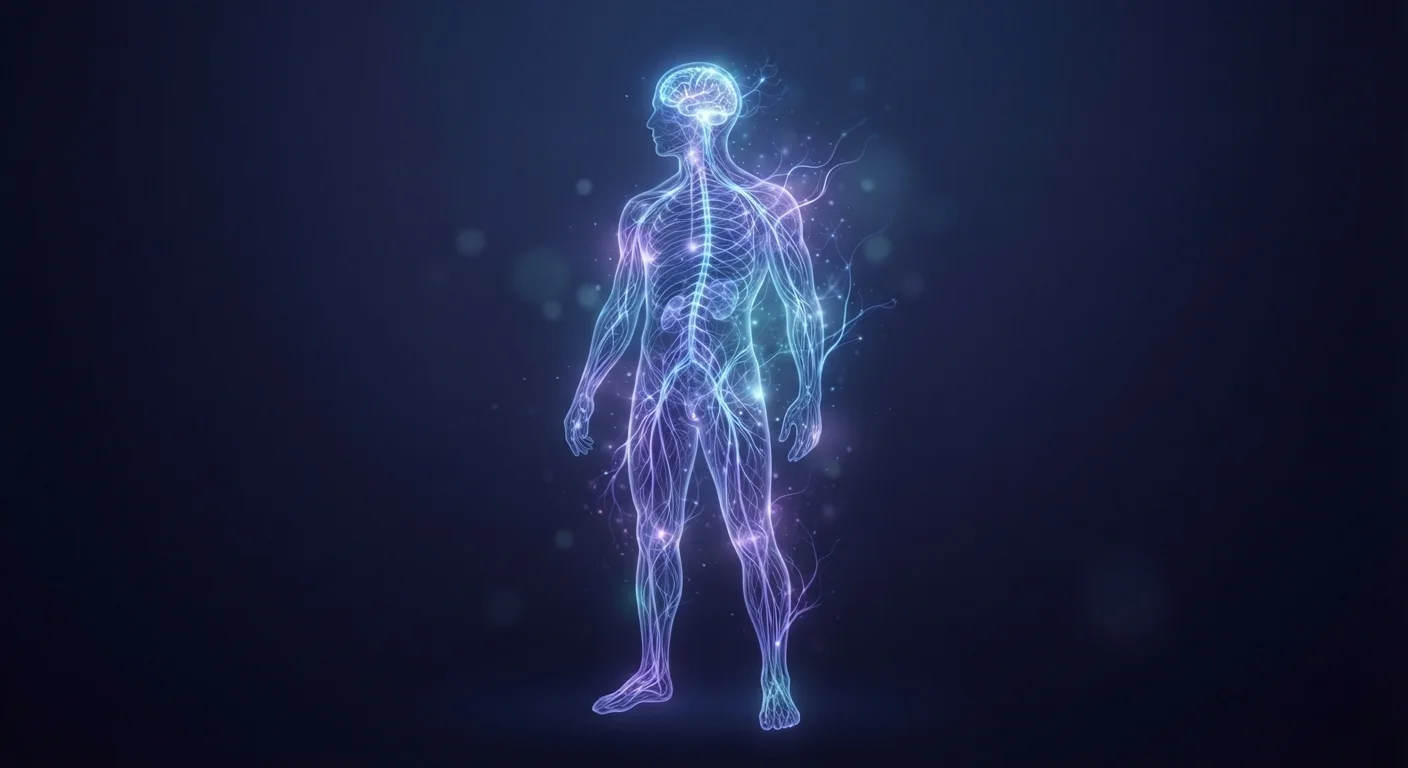
The autonomic nervous system is the part of your nervous system that controls involuntary body functions - things like heart rate, breathing, and digestion. It has two main branches: the sympathetic system, which activates your body's stress response, and the parasympathetic system, which helps the body calm down and recover. When you feel anxious, these two branches are at the center of what's happening physically.
The autonomic nervous system operates largely below conscious awareness and interfaces closely with the hypothalamic-pituitary-adrenal (HPA) axis, which governs hormone-based stress responses including cortisol release.
Why Anxiety Feels So Physical
If you've ever felt your heart pound before a difficult conversation, or noticed your stomach tighten before a big presentation, you've experienced the nervous system doing its job. Anxiety isn't just a mental event - it's a whole-body process rooted in biology.
At the center of this experience is the autonomic nervous system, which manages functions you don't consciously control. Its two branches - the sympathetic and parasympathetic systems - work in a kind of push-pull relationship. The sympathetic branch accelerates the body's functions in response to perceived threat; the parasympathetic branch applies the brakes and promotes recovery.
Understanding this dynamic can reframe anxiety from something mysterious and frightening into something that, at least in part, follows a logical biological pattern. That shift in perspective is itself meaningful.
The Fight-or-Flight Response Explained
When the brain - specifically the amygdala, a small structure involved in emotional processing - detects a potential threat, it sends a rapid signal to the sympathetic nervous system. This triggers the release of stress hormones, primarily adrenaline (epinephrine), which sets off a cascade of physical changes:
- Heart rate increases to pump more blood to muscles
- Breathing quickens to take in more oxygen
- Digestion slows so energy can be redirected
- Muscles tense in preparation for action
This response - often called fight-or-flight - evolved to help humans survive immediate physical danger. The problem is that the nervous system doesn't reliably distinguish between a charging predator and a looming deadline. It responds to perceived threat, whether that threat is physical or psychological.
40M+
US adults affected by anxiety disorders annually
According to the Anxiety and Depression Association of America, anxiety disorders are among the most common mental health conditions in the United States.
2-way
Relationship between mind and nervous system
Neuroscience research consistently shows that anxious thoughts stimulate the nervous system, which in turn produces physical symptoms that can reinforce anxious thinking.
~90s
Duration of a pure physiological fear response
Neuroanatomist Jill Bolte Taylor's work notes that the biochemical surge of an emotion like fear typically lasts about 90 seconds - it is our thoughts that extend the experience.
For a broader look at how stress hormones and the nervous system interact, see what the science of stress actually tells us.
The Parasympathetic System: Your Body's Counterbalance
Once a threat has passed, the parasympathetic nervous system - sometimes called the rest-and-digest system - helps bring the body back to baseline. Heart rate slows, breathing deepens and steadies, and digestive processes resume. This is the recovery mode the body needs after any stress response.
In people who experience anxiety frequently, this transition back to calm can feel slow or incomplete. Research in psychophysiology suggests that some individuals have a stress response that activates quickly but recovers more gradually - a pattern sometimes described as heightened autonomic reactivity.
Try the Extended Exhale Technique
Inhale slowly through the nose for a count of four, then exhale through the mouth for a count of six or eight. This simple ratio - a longer exhale than inhale - is one of the most accessible ways to engage the parasympathetic nervous system. Even a few minutes of this practice can measurably lower heart rate for many people.
This is not a character flaw or a sign of weakness. It reflects genuine variation in how nervous systems are calibrated, shaped by genetics, early experiences, and environment. Recognizing this can be an important first step toward approaching anxiety with more self-compassion.
What This Means for Managing Anxiety
Understanding the nervous system's role opens the door to approaches grounded in physiology, not just willpower. Several evidence-informed strategies work specifically by engaging the parasympathetic system:
- Slow, diaphragmatic breathing: Extending the exhale (longer than the inhale) activates the vagus nerve, a key part of the parasympathetic pathway. Studies have documented measurable reductions in heart rate and perceived stress with this technique.
- Regular physical activity: Exercise temporarily activates the sympathetic system but, over time, is associated with lower baseline anxiety and improved autonomic regulation, according to research published in multiple public health journals.
- Mindfulness practices: Attention-based practices that reduce rumination can help interrupt the feedback loop between anxious thoughts and sympathetic activation.
None of these are universal fixes, and they are not substitutes for professional care when anxiety significantly disrupts daily life. A qualified mental health professional or physician can help assess whether additional support is appropriate.
This article is for general informational and educational purposes only and is not a substitute for professional medical or mental health advice. Always consult a qualified healthcare provider with any questions about your health or treatment.