

Key Takeaways
The Stress Response
The stress response is your body's built-in system for detecting and reacting to challenges or threats. It triggers a cascade of physiological changes - including hormone release, faster heart rate, and heightened alertness - designed to help you respond effectively. Stress isn't simply a feeling; it's a coordinated biological process that has helped humans survive for thousands of years.
The primary stress pathway involves the hypothalamic-pituitary-adrenal (HPA) axis, which regulates the release of cortisol, the body's main stress hormone. A parallel pathway - the sympathetic-adrenal-medullary (SAM) system - controls the faster-acting adrenaline response.
Stress Is a Biological System, Not a Personal Failing
When people say they're "stressed," they usually mean they feel overwhelmed or anxious. But behind that everyday word is a sophisticated biological system that evolved to keep us alive. Understanding what stress actually is - at a physiological level - changes how we relate to it.
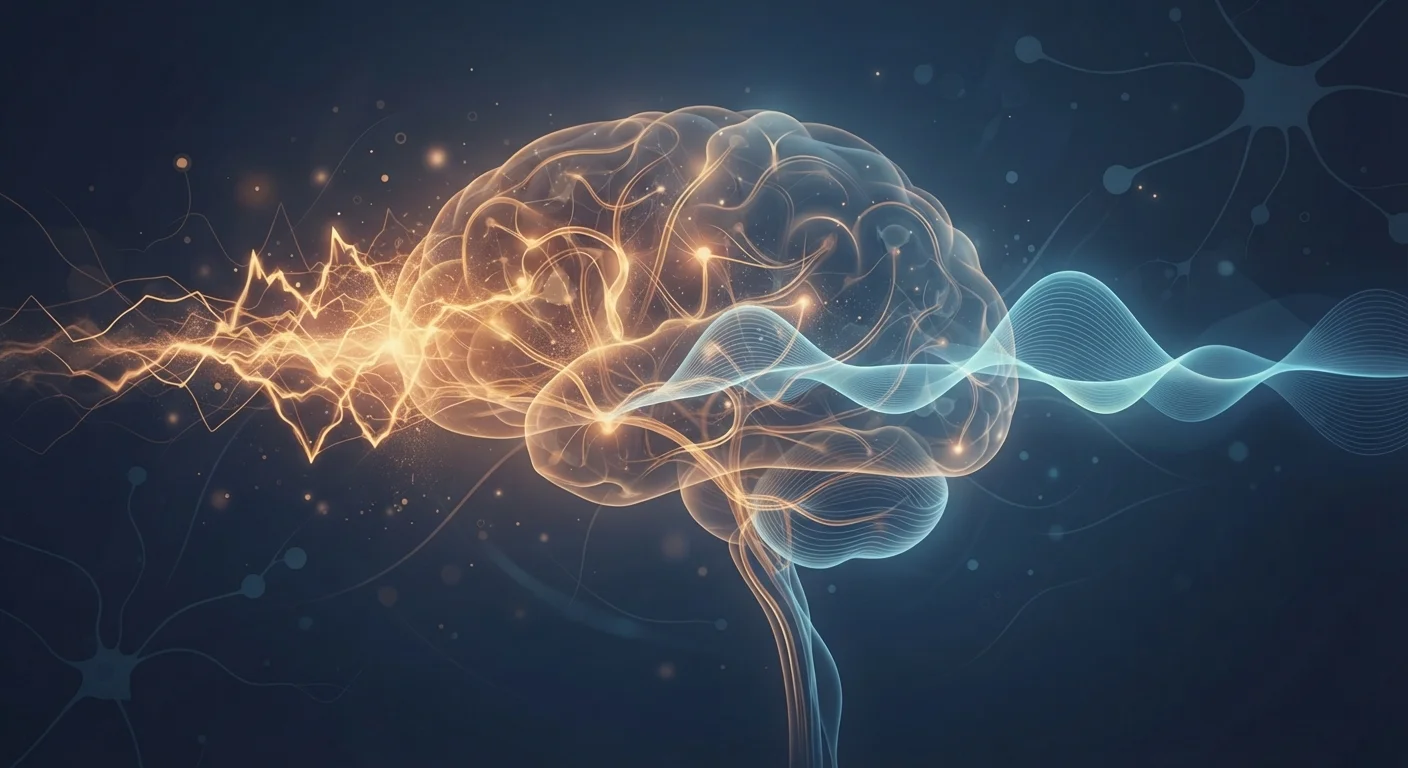
The stress response begins in the brain. When you perceive a challenge or threat, your hypothalamus signals the adrenal glands to release hormones, most notably adrenaline (epinephrine) and cortisol. Your heart rate rises, breathing quickens, and glucose floods your bloodstream. This is the classic "fight-or-flight" state, and it's remarkably effective at mobilizing resources when you need them fast.
It's worth noting that this same system activates whether you're facing a physical danger or a looming deadline. The brain doesn't always distinguish well between a predator and a performance review - which helps explain why modern life can feel so persistently taxing even without obvious physical threats.
Your Nervous System Has Two Main Gears
The autonomic nervous system has a sympathetic branch (the accelerator - activates the stress response) and a parasympathetic branch (the brake - promotes rest and recovery). Healthy stress regulation involves both systems working in balance, not eliminating one side. Many evidence-based relaxation techniques work specifically by activating the parasympathetic branch.
Cortisol: More Than a 'Stress Hormone'
Cortisol has developed a reputation as something to be minimized at all costs. The reality is considerably more nuanced. Cortisol is essential for life - it regulates metabolism, modulates the immune system, influences blood pressure, and helps govern the sleep-wake cycle. It's not inherently harmful; it's context-dependent.
In the short term, a cortisol surge is adaptive. It sharpens alertness, reduces inflammation, and helps the body prioritize immediate needs. The problems emerge when cortisol stays elevated for extended periods - a pattern associated with chronic stress. Research links prolonged high cortisol to disrupted sleep, suppressed immune function, and changes in mood regulation, among other effects.
77%
Adults reporting physical symptoms of stress
According to the American Psychological Association's Stress in America surveys, a substantial majority of adults regularly experience physical symptoms they associate with stress.
2-3×
Elevated cardiovascular risk linked to chronic stress
Research published in peer-reviewed cardiology literature indicates chronic psychosocial stress is associated with a significantly elevated risk of cardiovascular events, though individual risk varies widely.
20 min
Exercise duration linked to cortisol regulation benefits
Studies suggest even moderate aerobic exercise of around 20 minutes can help modulate cortisol response and improve mood - though recommendations should be tailored to individual health status.
Understanding cortisol's dual role - essential at appropriate levels, problematic when chronically elevated - is central to understanding stress itself. For a deeper look at how the body's stress chemistry connects to anxious feelings, see our explainer on the nervous system and anxiety.
Acute vs. Chronic Stress: Why the Difference Matters
Not all stress is created equal. Researchers consistently draw a line between acute stress - short-lived, situational, and often resolved quickly - and chronic stress, which persists over weeks, months, or longer.
Acute stress can actually be beneficial. Studies on what researchers call eustress (positive stress) suggest that moderate, time-limited stress can enhance focus, boost memory consolidation, and even strengthen immune function temporarily. Think of the clarity you sometimes feel when a deadline is near.
Chronic stress, by contrast, keeps the HPA axis activated well past its useful window. Over time this is associated with higher cardiovascular risk, impaired immune response, and changes in brain areas involved in memory and emotion. Many common health complaints - persistent fatigue, digestive issues, tension headaches - have recognized links to chronic stress, though stress is rarely the only factor at play.
Interestingly, some commonly held ideas about stress management don't hold up as well under scrutiny. Separating mental health myths from what studies actually show is a useful companion exercise to understanding stress science.
The Mindset Factor - and What You Can Actually Do
One of the more intriguing threads in stress research is the role of perception. Psychologist Alia Crum's work at Stanford has investigated how individuals' beliefs about stress - whether they view it as debilitating or as a signal to engage - may influence physiological and performance outcomes. The findings suggest mindset is a real, if partial, lever.
This doesn't mean you can simply reframe your way out of a harmful chronic stress load. But it does support the broader evidence-based view that how we interpret stressors - as threats versus challenges - shapes our psychological and physiological response to them.
Practical approaches with consistent research backing include: regular physical activity, which helps regulate cortisol; sleep prioritization, since sleep deprivation amplifies stress reactivity; social connection; and structured relaxation techniques such as diaphragmatic breathing or mindfulness-based practices. Environmental factors matter too - even physical surroundings play a role, as explored in the research on how clutter affects stress and focus.
Because stress response patterns are highly individual, assembling a toolkit that fits your own nervous system is more effective than adopting a one-size-fits-all approach. Building a personal stress-response toolkit offers a framework for doing exactly that.
Pay Attention to Recovery, Not Just Response
The speed at which your body returns to baseline after a stressor - known as stress recovery - may matter as much as the intensity of the initial response. Practices that support recovery include controlled breathing, adequate sleep, and intentional downtime. Building recovery periods into your routine is a legitimate, research-informed stress management strategy.
This article is for general informational and educational purposes only and is not medical advice. If stress is significantly affecting your health or daily functioning, please consult a qualified healthcare or mental health professional.