

Key Takeaways
Feline Obesity
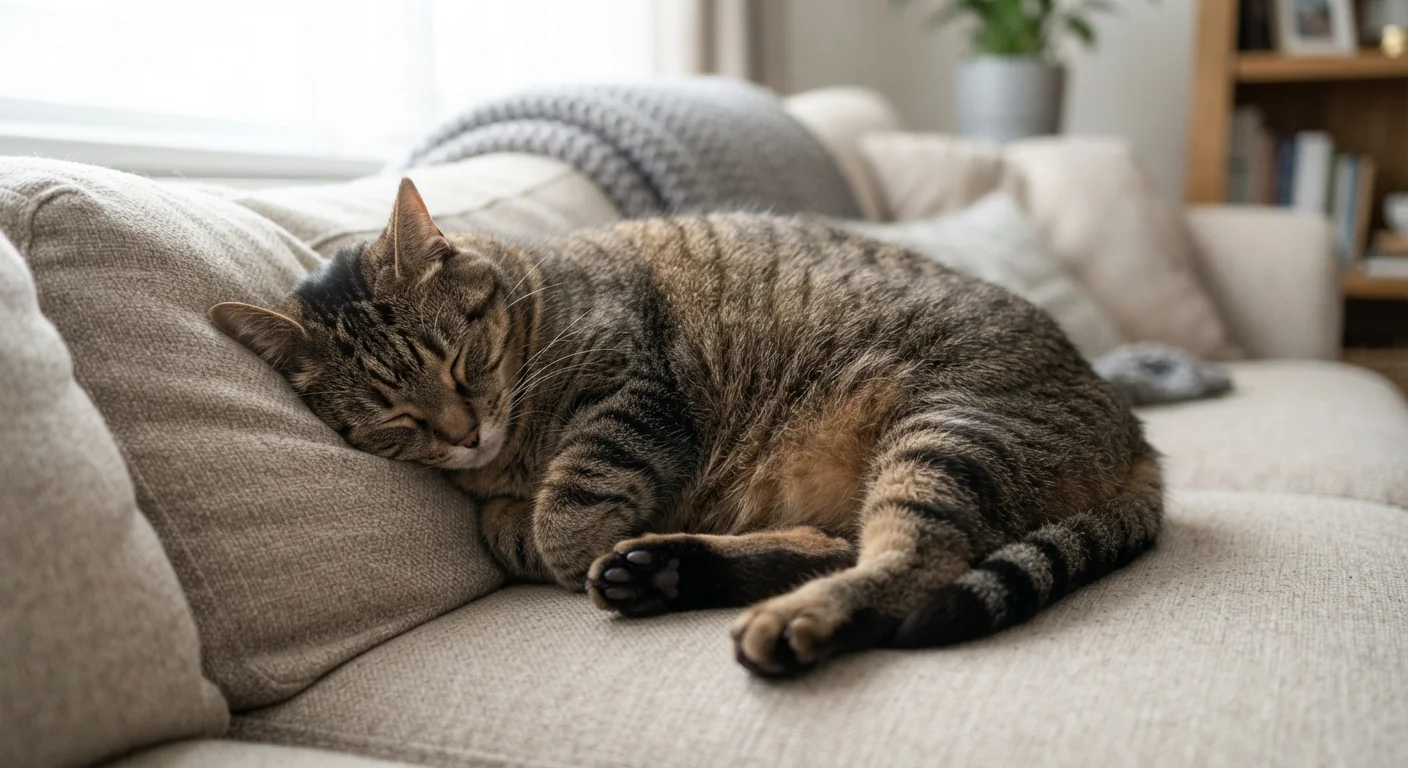
Feline obesity is a condition in which a cat carries significantly more body fat than is healthy, typically defined as weighing 20% or more above their ideal body weight. It is one of the most common nutritional disorders seen in domestic cats and is associated with a range of serious health consequences. Like human obesity, it results from an imbalance between caloric intake and energy expenditure over time.
Veterinarians typically assess feline weight using a Body Condition Score (BCS) system - a standardized scale, usually 1-9, that evaluates fat coverage and muscle mass through visual and hands-on examination.
How Excess Weight Develops in Cats
Feline obesity develops when caloric intake consistently exceeds energy expenditure - a straightforward equation with surprisingly complex contributing factors. Most house cats lead relatively sedentary lives, and several common circumstances make weight gain especially likely.
Neutering is one of the most significant risk factors. The procedure reduces metabolic rate by an estimated 20-30%, meaning a neutered cat requires fewer calories to maintain weight than an intact one - yet feeding habits often don't change to reflect this. Age also matters: middle-aged cats (roughly 5-10 years old) are statistically more prone to obesity than younger or older animals, partly due to decreasing activity levels.
Feeding practices play a central role. Free-feeding - leaving dry food available at all times - makes portion control difficult and encourages overconsumption, particularly in multi-cat households where individual intake is hard to monitor. Understanding the caloric density differences between dry and wet food is also relevant, as dry kibble is often more calorie-dense per gram.
Indoor lifestyle reduces opportunities for natural activity. Cats kept exclusively indoors tend to be less physically active than those with outdoor access, though indoor living carries its own safety advantages. See what research says about indoor versus outdoor cats for a fuller picture of those tradeoffs.
~60%
Estimated prevalence of overweight or obese cats in the US
Multiple veterinary surveys and the Association for Pet Obesity Prevention have consistently estimated that a majority of US pet cats are above their ideal body weight.
20-30%
Estimated metabolic rate reduction after neutering
Veterinary research suggests neutering can lower a cat's resting energy requirements by this amount, making post-neuter feeding adjustments important for weight control.
4-5 out of 9
Ideal Body Condition Score range for cats
The 9-point BCS scale used by veterinarians defines optimal body condition at 4-5, with scores of 6-7 indicating overweight and 8-9 indicating obesity.
Health Consequences of Feline Obesity
Excess body fat is not a cosmetic concern in cats - it is a direct driver of serious, sometimes life-threatening disease. The health consequences of feline obesity are well-documented in veterinary literature.
- Type 2 diabetes: Obese cats are significantly more likely to develop insulin resistance and diabetes mellitus. Weight loss alone can sometimes lead to diabetic remission in cats, highlighting how closely the two conditions are linked.
- Osteoarthritis: Additional body weight places mechanical stress on joints. Many overweight cats show signs of pain and reduced mobility that owners may attribute to normal aging rather than a treatable condition.
- Lower urinary tract disease: Obesity is associated with increased risk of feline lower urinary tract disease (FLUTD), including bladder inflammation and urinary blockages - particularly serious in male cats.
- Hepatic lipidosis: Paradoxically, this liver condition - the most common liver disease in cats - can be triggered by rapid weight loss, making veterinary supervision of any diet plan essential.
- Reduced lifespan: Research consistently shows that cats maintaining a healthy weight live longer than their overweight counterparts.
For owners of older cats, weight management intersects with broader senior health concerns. Caring for a senior cat involves navigating shifting nutritional needs alongside age-related conditions where weight may complicate treatment.
“Obesity is the most prevalent nutritional disorder we see in cats today, and it's also one of the most preventable. The challenge is that weight gain happens so gradually that owners often don't recognize it until the cat is significantly overweight.”
— Veterinary Nutrition Perspective, Composite view reflecting consensus among board-certified veterinary nutritionists
How Vets Assess Body Condition
Body weight alone tells an incomplete story. A large-framed cat may weigh more than a smaller cat without being overweight, which is why veterinarians use the Body Condition Score (BCS) - a standardized assessment tool - rather than relying on scale numbers alone.
The most widely used BCS system scores cats on a scale of 1 to 9. A score of 4-5 reflects ideal body condition. Scores of 6-7 indicate overweight, while scores of 8-9 indicate obesity. The assessment involves visual observation and gentle palpation to evaluate rib coverage, waist definition, and abdominal fat pad size.
Some clinics also use muscle condition scoring alongside BCS to detect muscle wasting - a concern in older cats, where a normal or low body weight can mask significant muscle loss requiring different management than fat reduction.
Routine wellness visits are the most reliable way to track a cat's weight trajectory over time. A structured vet visit schedule helps ensure weight is monitored at every life stage before problems become entrenched.
What Weight Management Typically Involves
Effective weight management in cats requires a structured, veterinarian-guided approach. Self-directed calorie restriction without professional oversight risks hepatic lipidosis, nutritional deficiency, or inadequate progress monitoring.
A typical veterinary weight-loss plan may include:
- Calculating a target caloric intake based on the cat's ideal - not current - body weight, adjusted for age, neuter status, and activity level.
- Transitioning to a measured feeding schedule rather than free-feeding, using precise portion sizes rather than estimating.
- Choosing an appropriate food formulation, which may include higher-protein, lower-carbohydrate options or prescription weight-management diets - always under veterinary guidance.
- Increasing structured activity through interactive play, puzzle feeders, and environmental enrichment to raise daily energy expenditure.
- Regular weigh-ins - typically every 2-4 weeks - to track progress and adjust the plan as needed.
Weight loss in cats should proceed slowly. A rate of roughly 0.5-2% of body weight per week is generally considered safe. Faster loss increases the risk of hepatic lipidosis. In multi-cat households, strategies to prevent food-sharing between pets - such as microchip-activated feeders - may be necessary.
Monitoring overall health throughout the process is important, as weight changes can affect concurrent conditions like diabetes or arthritis. Weight management is one component of broader preventive care, alongside dental health and other often-overlooked wellness priorities.
This article is for general informational and educational purposes only. It is not a substitute for professional veterinary advice, diagnosis, or treatment. Always consult a licensed veterinarian before making changes to your cat's diet or health care plan.
Use Puzzle Feeders to Slow Eating
Puzzle feeders and slow-feed bowls encourage cats to work for their food, slowing consumption and providing mental stimulation. They can be a useful tool alongside portion control, particularly for cats accustomed to free-feeding. Ask your veterinarian whether this approach suits your cat's specific needs.